 0
0
 0
0
Fashion in education refers to the personal style choices students, educators, and administrators navigate within academic settings, balancing self-expression with institutional dress codes, cultural expectations, and professional development goals. It’s where individual identity meets collective environment, and understanding this intersection matters because what you wear to class, lectures, or teaching sessions directly impacts your confidence, perceived credibility, and daily comfort during hours spent learning or leading.
The conversation around educational fashion has shifted dramatically. Gone are the rigid uniform mandates and one-size-fits-all grooming standards that dominated earlier decades. Today’s academic spaces recognize that personal style serves as both armor and communication tool, particularly for young adults establishing their professional identities while maintaining authenticity. Students juggling 8 a.m. seminars and evening study sessions need wardrobes that transition seamlessly without sacrificing comfort. Educators want to project authority and approachability simultaneously. Parents seek guidance on supporting their children’s style development without breaking budgets or battling morning arguments over outfit choices.
This guide breaks down how fashion functions within educational contexts, from understanding the unwritten rules of different academic environments to building versatile wardrobes that honor both self-expression and setting-appropriate presentation. We’ll explore the categories of educational fashion, practical styling strategies for various scenarios, and how to advocate for yourself when dress codes feel restrictive or outdated. Whether you’re navigating your first semester on campus or refreshing your teaching wardrobe for a new academic year, you’ll find actionable insight that respects your need for both style and substance.
What Fashion in Education Really Means
Fashion in education isn’t just about what students and teachers wear to class, it’s the dynamic space where personal identity meets institutional expectations, comfort aligns with professionalism, and self-expression thrives within reasonable boundaries. At its core, it represents how individuals navigate style choices in academic settings while respecting the learning environment and honoring their authentic selves.
Unlike rigid uniform systems that dominated schools for decades, today’s educational fashion landscape embraces a more nuanced approach. It acknowledges that clothing choices impact confidence, creativity, and overall well-being throughout the school day. This shift recognizes students as individuals with unique style preferences rather than a homogeneous group requiring identical presentation.
The concept spans multiple dimensions worth understanding:
- Dress Codes
- Written or unwritten guidelines that outline appropriate attire for educational settings, balancing individual expression with institutional standards for a focused learning environment.
- Student Style Autonomy
- The freedom students have to make personal fashion choices within established boundaries, allowing for creative expression and identity exploration through clothing.
- Institutional Fashion Guidelines
- Formal policies developed by schools and universities that define acceptable attire, increasingly emphasizing inclusivity, comfort, and cultural sensitivity over restrictive rules.
- Business Casual Academic Wear
- A semi-professional dress standard common in higher education and some high schools, combining polished basics with relaxed, comfortable pieces suitable for full-day learning.
This modern interpretation extends to educators too, who balance professional presentation with approachability through their clothing choices. Teachers increasingly opt for polished yet comfortable looks that command respect without creating distance, think structured knits, tailored joggers, and elevated basics rather than stiff suits.
Fashion in education ultimately reflects broader cultural values around inclusivity, mental health, and authentic self-presentation. It’s about showing up as yourself while contributing positively to a shared learning space.
How Fashion Works in Educational Settings
The Student Perspective
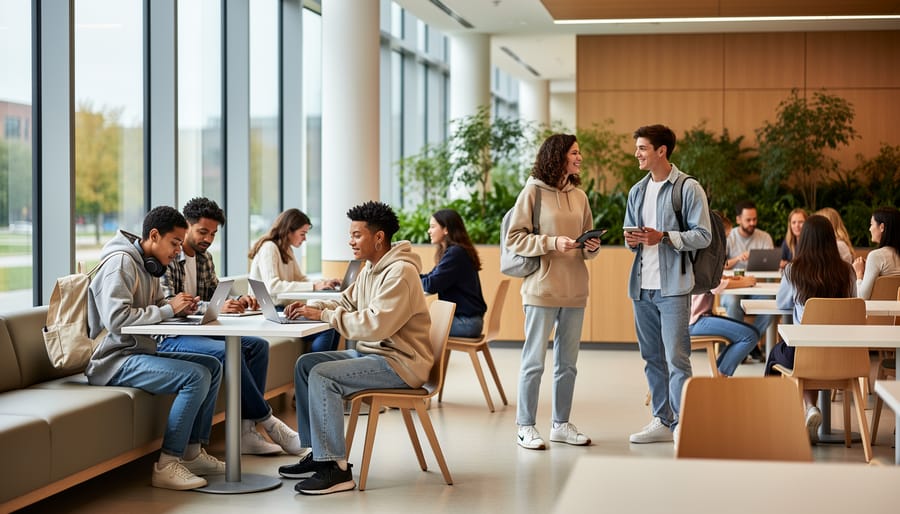
Students approach educational fashion as a daily negotiation between who they are and what’s expected of them. Most develop an intuitive framework for this balance early on, selecting pieces that feel authentically “them” while staying within institutional boundaries.
The foundation typically starts with comfort. After sitting through back-to-back lectures or navigating crowded hallways, students gravitate toward clothing that moves with them, soft fabrics, flexible fits, and layers they can adjust throughout the day. This practical consideration shapes their core wardrobe more than any trend cycle.
Within these comfort parameters, personal expression emerges through deliberate choices. A statement jacket over a basic tee. Sneakers that reflect their personality. Accessories that signal their interests or cultural identity. Students learn quickly which elements of their style are non-negotiable and which can flex depending on the day’s demands.
The most fashion-confident students don’t fight dress codes, they work around them creatively, finding freedom in the details. They understand that respecting guidelines doesn’t mean erasing their individuality; it means channeling it strategically into the aspects of their appearance they control.
The Institutional Approach
Educational institutions today approach dress policies as living documents rather than rigid rulebooks. Schools and universities typically begin policy development through committee work, bringing together administrators, faculty, students, and sometimes parents to ensure multiple perspectives shape guidelines. This collaborative process has become standard practice since the early 2020s, reflecting a shift toward student voice in decision-making.
Communication happens through multiple channels: student handbooks, orientation sessions, digital portals, and increasingly, visual style guides that show acceptable outfit examples rather than just listing restrictions. Many institutions now frame policies in inclusive language, moving from gendered rules to body-neutral standards that focus on appropriateness rather than specific garments.
The evolution process matters just as much as the initial policy. Forward-thinking schools schedule regular reviews, often annually, to assess whether their dress code still serves its purpose or inadvertently excludes students. Feedback mechanisms, from student council input to anonymous surveys, help administrators identify outdated restrictions that no longer align with contemporary values around cultural expression, gender identity, or comfort needs. This responsive approach acknowledges that fashion culture moves faster than bureaucratic processes, requiring institutional flexibility.
Different Forms of Fashion in Educational Spaces
K-12 Fashion Dynamics
K-12 fashion operates within a spectrum of institutional control, from strict uniform requirements to flexible dress codes that leave room for creativity. In uniform-mandated schools, students carve out identity through subtle details: a statement watch, colorful sneakers, unique backpack patches, or carefully chosen jewelry within policy limits. These small touches become powerful forms of self-expression when clothing choices are otherwise prescribed.
Dress code schools present a different challenge, offering more freedom while establishing boundaries around appropriateness. Students learn to balance personal style with guidelines on hemlines, necklines, and graphic content. The key is building a wardrobe around versatile basics, solid tees, well-fitted jeans, comfortable chinos, that can be personalized with layering pieces and accessories.
Age-appropriate styling matters here too. What works for high schoolers may violate elementary guidelines, and comfort needs shift dramatically between grade levels. Elementary students prioritize movement-friendly clothing for active play, while teenagers gravitate toward trend-conscious pieces that reflect their developing personal aesthetic without crossing institutional lines.
Higher Education Style Culture
College and university campuses offer unprecedented style freedom compared to earlier education levels. Students can finally dress for themselves, no uniforms, no strict length rules, just personal expression within a broadly respectful framework. This autonomy has sparked a distinctive campus aesthetic that balances comfort with intentionality.
The typical day moves from early lectures to library study sessions to evening social events, demanding versatile outfits that work across contexts. Successful campus style relies on elevated basics: well-fitted jeans, quality tees, structured hoodies, and sneakers that look deliberate rather than thrown-on. Layering becomes essential, allowing students to adapt to temperature-controlled lecture halls and outdoor quads without heading home between commitments.
Today’s campus fashion prioritizes feeling good over looking perfect. The post-pandemic shift toward comfortable clothing has permanently changed expectations, athleisure elements, relaxed silhouettes, and breathable fabrics dominate. Students choose pieces that support long days of sitting, walking, and concentrating, proving that put-together doesn’t require sacrifice.
Educator and Faculty Fashion
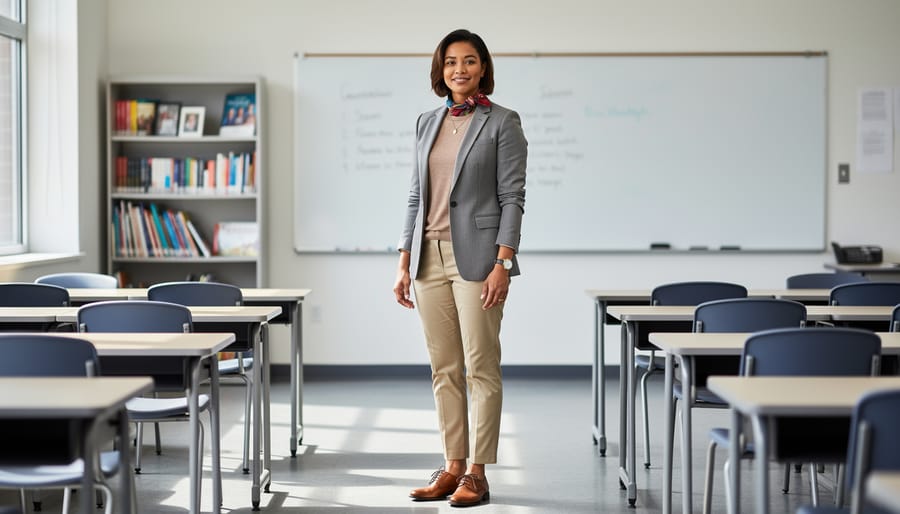
Teachers and faculty members walk a unique style tightrope, they need to project professional authority while remaining approachable and relatable to students. The most effective educator wardrobes blend polish with personality, choosing structured pieces that command respect without feeling stiff or unapproachable.
Think tailored trousers paired with comfortable knit tops, blazers softened with casual denim, or midi dresses that move easily between standing presentations and desk work. Educators increasingly favor quality basics in neutral palettes, adding individual flair through accessories, footwear, or subtle prints. Comfort matters tremendously since teaching demands constant movement, so breathable fabrics and supportive shoes aren’t optional, they’re essential.
The goal isn’t corporate formality but polished ease. Faculty fashion succeeds when it communicates competence and warmth simultaneously, helping students see their teachers as both authority figures and accessible mentors worth engaging with.
Where Fashion in Education Shows Up
Fashion in education manifests across diverse academic scenarios, each requiring thoughtful wardrobe consideration that balances self-expression with situational appropriateness.
Daily classroom attendance forms the foundation of educational fashion. Whether navigating lecture halls or seminar discussions, students create wardrobes that transition seamlessly from morning classes through afternoon study sessions. Comfortable footwear matters when traversing sprawling campuses, while layering pieces accommodate fluctuating indoor temperatures. These everyday choices directly influence physical & mental health as restrictive clothing or uncomfortable shoes can diminish focus and energy throughout long academic days.
Virtual learning environments have redefined educational fashion boundaries. Students master the “professionally casual” aesthetic for video calls, polished from the waist up for visibility while prioritizing comfort below the frame. This hybrid approach reflects broader shifts toward authenticity in academic spaces.
Presentations and formal events elevate fashion expectations considerably. Thesis defenses, panel discussions, and academic conferences demand elevated styling that projects confidence and credibility. Students learn to dress for the impression they want to create while maintaining personal authenticity through accessory choices or subtle style details.
Internships and field placements introduce professional wardrobe requirements that blur educational and career fashion lines. Students navigate industry-specific dress codes, from business formal in corporate internships to creative casual in agency settings, building professional identities through clothing choices.
Student leadership roles and campus social life offer fashion experimentation freedom. Club meetings, campus events, and casual gatherings become styling playgrounds where students test trends, build personal brands, and express cultural identities without formal constraints. These contexts reinforce how fashion choices shape peer perception, belonging, and self-confidence throughout the educational journey, making thoughtful wardrobe curation an investment in academic success and personal well-being.
Current Fashion Trends Reshaping Education
Educational fashion is experiencing a quiet but powerful transformation as institutions catch up to the values students and educators already embrace. Gender-neutral dress policies are finally dismantling outdated binaries that forced students into narrow style boxes. Schools are replacing “boys must wear” and “girls must wear” rules with inclusive language that lets everyone choose what feels authentic. This shift aligns with GSA guidelines for schools and reflects a broader cultural recognition that clothing doesn’t define identity.
Sustainability has moved from fringe concern to campus priority. Students are thrifting, swapping, and investing in quality pieces that last beyond a single semester. Universities are responding with initiatives like the campus clothing swap initiative making eco-conscious choices accessible and normalized. Fast fashion still exists in educational spaces, but the conversation around it has fundamentally changed.
Athleisure has secured its permanent place in academic wardrobes. What began as a pandemic necessity has evolved into an expectation that clothing can be both polished and comfortable. Joggers paired with structured blazers, sneakers under midi skirts, and performance fabrics in unexpected silhouettes now populate lecture halls without raising eyebrows. Schools have largely accepted that movement-friendly clothing supports better focus and wellbeing throughout long days.
Cultural dress inclusivity is reshaping what “appropriate” means. Hijabs, saris, traditional patterns, and cultural jewelry are increasingly protected and celebrated rather than questioned. Progressive institutions are actively updating policies to ensure students can honour their heritage through clothing without facing discrimination or forced assimilation.
The comfort revolution continues to redefine educational fashion standards. Post-remote learning, nobody wants to return to restrictive, performance-based dressing. Instead, students are building wardrobes around minimalist chic foundations that feel good and look intentional. Soft fabrics, thoughtful layering, and essential accessories that add personality without sacrificing ease have become the new baseline. This isn’t about dressing down; it’s about dressing smarter for environments where comfort and confidence go hand in hand.
Building Your Educational Wardrobe with Style and Ease
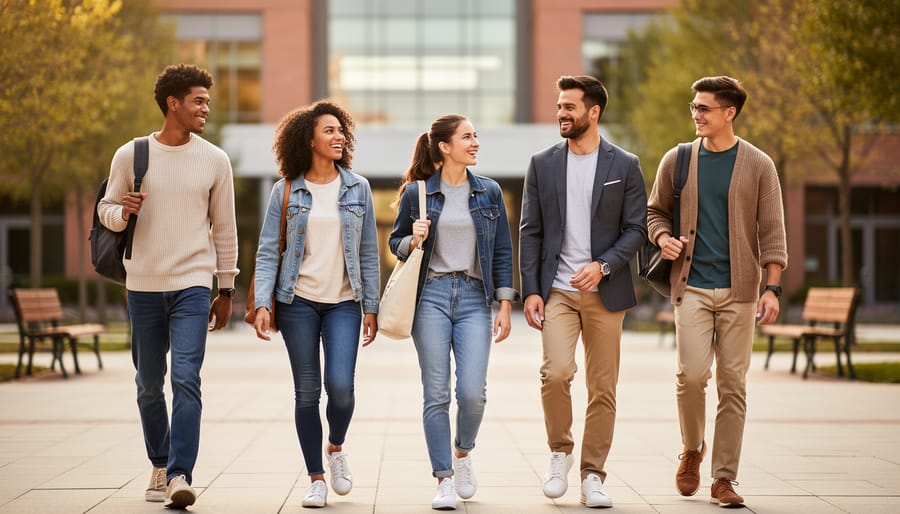
Building a wardrobe that carries you from morning lectures to evening study sessions starts with strategic basics that work across contexts. Think neutral bottoms in comfortable fabrics, well-fitted jeans, tailored trousers, or midi skirts that move with you, paired with versatile tops that layer easily. The foundation matters more than quantity; five pieces you genuinely love will serve you better than fifteen that feel compromising.
Essential wardrobe building blocks include:
- Adaptable basics: neutral tees, button-downs, and sweaters that mix effortlessly
- Comfortable footwear: supportive sneakers, loafers, or ankle boots for all-day wear
- Layering pieces: cardigans, denim jackets, and lightweight blazers for temperature control
- Statement accessories: scarves, jewelry, or bags that inject personality without breaking guidelines
- Weather-appropriate outerwear: a quality coat or jacket that protects and elevates
Personal flair lives in the details. A structured backpack elevates a simple outfit, while a signature scarf or watch becomes your recognizable touch. Choose one statement piece per outfit rather than layering multiple bold elements, it keeps your look intentional, not overwhelming.
Comfort directly impacts your academic performance and overall well-being. When your clothes support rather than distract, you show up more fully. Prioritizing fabrics that breathe, waistbands that don’t pinch, and fits that allow natural movement isn’t about lowering standards, it’s about understanding what the science says about how physical ease influences mental clarity. Your educational wardrobe should make every day feel manageable, supporting your stress-free wellness journey while reflecting who you are.
Common Questions About Fashion in Education
Navigating fashion in educational spaces naturally brings up practical questions about balancing self-expression with institutional expectations. These concerns are especially common for anyone trying to maintain their personal style while respecting academic environments.
Can I express my personal style in school?
Absolutely. Most educational institutions allow significant room for personal expression through clothing choices, accessories, and styling details. Focus on understanding your specific dress code parameters, then work within them to showcase your authentic style through color choices, silhouette preferences, and signature accessories.
What if my school has strict dress codes?
Strict dress codes don’t eliminate personal style, they just shift it to subtler expressions. Play with approved colors, layer thoughtfully within guidelines, and use shoes, bags, jewelry, and hairstyles to communicate your aesthetic while staying compliant.
How do I dress comfortably without looking sloppy?
The key is intentional casualness: well-fitting basics in quality fabrics, clean lines, and purposeful styling. Elevated athleisure, structured loungewear, and breathable natural fibers keep you comfortable while looking put-together rather than thrown-together.
Are fashion trends appropriate for academic settings?
Many trends adapt beautifully to educational environments when styled thoughtfully. Filter trends through your institution’s expectations and your comfort needs, oversized blazers, wide-leg trousers, and minimalist sneakers work across most academic contexts without compromising trendiness.
Remember that educational fashion is less about following rigid rules and more about developing a flexible approach that honors both your identity and your learning environment. Start with your institution’s actual guidelines rather than assumptions, then build from there. Most dress codes leave more room for creativity than students initially realize. When you prioritize fit, quality basics, and authentic styling choices over fleeting trends or extreme departures from norms, you’ll naturally land in that sweet spot where comfort, personal expression, and appropriateness overlap seamlessly.
Fashion in education isn’t about choosing between self-expression and institutional expectations, it’s about finding your authentic voice within the spaces where you learn and grow. The way you present yourself on campus matters, not because conformity is the goal, but because feeling comfortable and confident in your clothing directly impacts how you engage with your education.
As dress codes continue evolving toward inclusivity and personal choice, you have more freedom than ever to build an educational wardrobe that truly reflects who you are. Prioritize pieces that carry you comfortably through long days, honor your personal aesthetic, and make you feel genuinely yourself when you walk into a classroom or across campus.
Your style doesn’t stop at the lecture hall door. Whether you’re navigating a structured dress code or enjoying complete sartorial freedom, the best approach balances respect for your learning environment with unwavering authenticity. Dress for the life you’re building, one that values both substance and self-expression, comfort and confidence. That’s the real lesson fashion in education teaches: you can honor the space while staying true to yourself.