 0
0
 0
0
THC and CBD are compounds derived from cannabis plants that interact with your body’s endocannabinoid system to produce distinct effects. THC (tetrahydrocannabinol) creates the psychoactive “high” associated with marijuana, while CBD (cannabidiol) offers potential therapeutic benefits without intoxication. Neither is inherently “bad” for you, but both carry specific risks and considerations depending on dosage, quality, individual health factors, and how you use them.
The real question isn’t whether these compounds are universally harmful, but whether they’re right for your lifestyle and wellness goals. CBD has gained mainstream acceptance for managing anxiety, sleep issues, and inflammation, showing up in everything from skincare to beverage brands. THC remains more controversial due to its psychoactive properties and legal status, though research continues to explore its medical applications for pain management and appetite stimulation.
What matters most is understanding how these substances work in your body, the difference between products flooding the market in 2026, and the potential side effects that could impact your daily routine. Low-quality products, inappropriate dosing, and certain health conditions can all turn an otherwise safe experience into something less comfortable. Drug interactions, cognitive effects, and workplace policies add another layer of complexity for anyone trying to maintain a polished, productive lifestyle.
This guide breaks down the science behind THC and CBD, explores their legitimate uses alongside documented risks, and gives you the practical framework to decide whether either compound fits into your wellness routine. You deserve clear answers rooted in current evidence, not hype or fear.
What Are THC and CBD?
THC and CBD are two naturally occurring compounds called cannabinoids, found in cannabis plants. While they come from the same plant family, they’re remarkably different in how they affect your body and mind, and understanding that difference is key to answering whether they’re bad for you.
- THC (Tetrahydrocannabinol)
- The primary psychoactive compound in cannabis that produces the characteristic “high” feeling. THC binds directly to brain receptors and alters mood, perception, and cognition.
- CBD (Cannabidiol)
- A non-intoxicating cannabinoid that doesn’t produce a high. CBD interacts with the body’s systems more indirectly and is often used for wellness purposes without the psychoactive effects.
- Cannabinoids
- Natural chemical compounds found in cannabis plants that interact with receptors throughout the human body. THC and CBD are the most well-known of over 100 identified cannabinoids.
- Hemp vs. Marijuana
- Hemp contains 0.3% THC or less and is federally legal in the U.S., while marijuana contains higher THC levels and remains federally illegal despite state-level legalization in some areas.
- Psychoactive Effects
- Changes in perception, mood, consciousness, or behavior caused by a substance. THC is psychoactive; CBD is not, though it may influence mood and stress response.
The legal landscape reflects these differences. CBD derived from hemp became federally legal in 2018, which is why you’ll find CBD products in wellness shops, online retailers, and even some grocery stores. THC remains federally illegal, though many states have legalized it for medical or recreational use.
Another crucial distinction: THC is what gets you high, while CBD won’t alter your mental state. This makes CBD appealing for people seeking potential wellness benefits without intoxication. However, many products contain both compounds in varying ratios, and the combination can produce different effects than either one alone. Some people prefer THC-dominant products for specific uses, others choose CBD-only formulas, and some opt for balanced blends.
How THC and CBD Work in Your Body
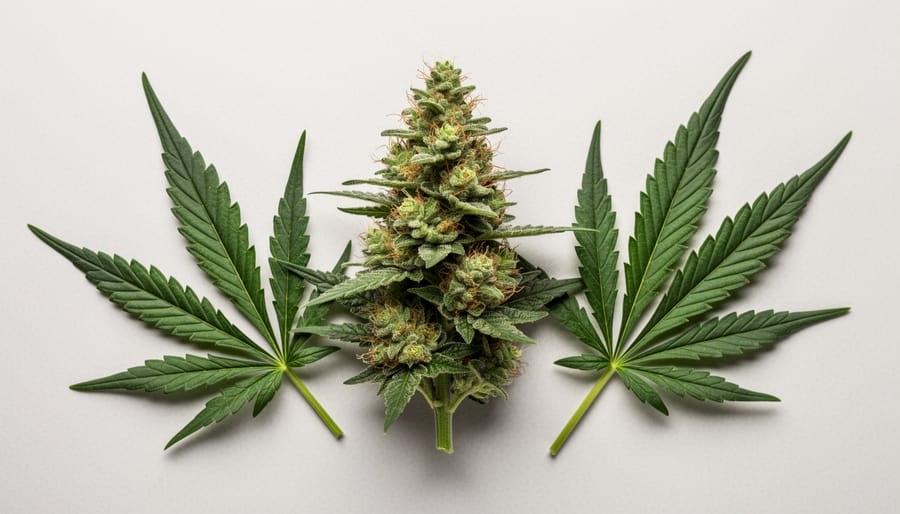
Your body has a built-in system that THC and CBD tap into, and it’s been there all along. Called the endocannabinoid system, this network of receptors and signaling molecules helps regulate everything from mood and sleep to pain perception and immune response. Think of it as your body’s internal balancing act, constantly working to keep things stable. When you use THC or CBD, you’re essentially introducing compounds that interact with this system, but they do so in very different ways.
THC’s effects come from how it binds directly to CB1 receptors, which are concentrated in your brain and nervous system. This direct binding is what produces the “high” feeling, along with changes in perception, mood, and appetite. It’s also why THC can affect memory and coordination while it’s active in your system. The compound essentially mimics your body’s natural cannabinoids but with more intensity.
CBD takes a different route entirely. Rather than binding strongly to CB1 or CB2 receptors (the two main types in your endocannabinoid system), CBD influences them indirectly. It appears to prevent the breakdown of your body’s own cannabinoids, allowing them to have more effect. CBD also interacts with serotonin receptors and other pathways outside the endocannabinoid system, which helps explain its calming properties without the psychoactive experience.
The key difference is this: THC forces a response by locking onto receptors like a key in a lock, while CBD gently modulates the system by affecting how well your natural cannabinoids work. Both compounds influence the same underlying system, but the experience they create is worlds apart. This distinction matters when you’re evaluating whether these substances fit into your wellness routine and which effects align with what you’re looking for.
Types of THC and CBD Products for Wellness
THC and CBD products come in a wide range of formats, each designed to fit different routines, preferences, and wellness goals. Understanding the options helps you choose what works best for your lifestyle and the effects you’re looking for.
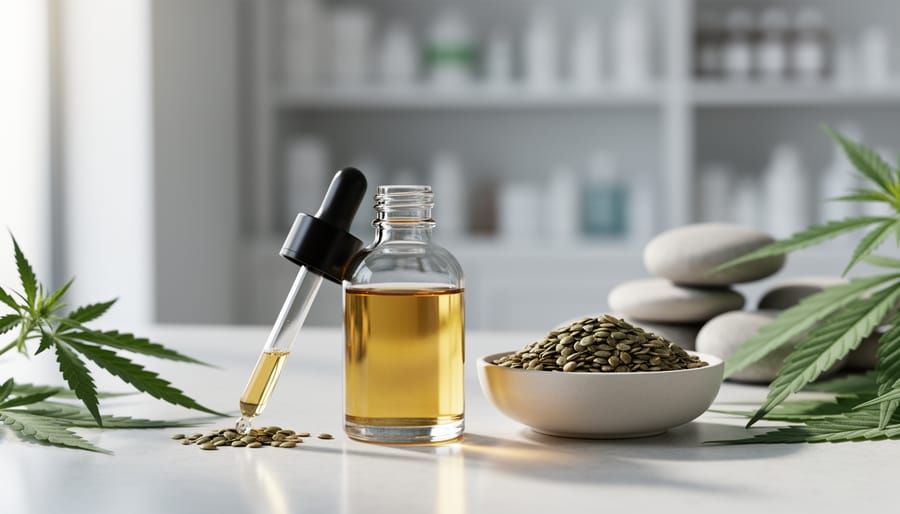
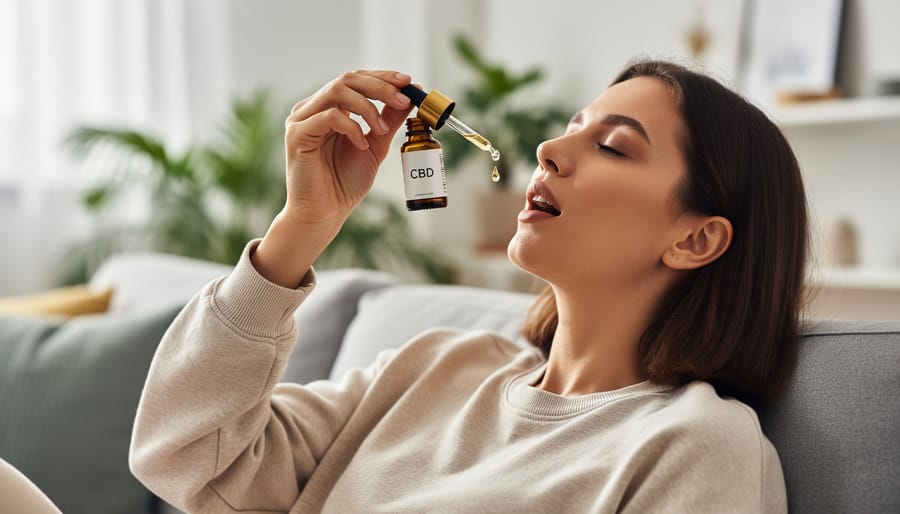
Oils and tinctures are among the most popular formats. You place drops under your tongue, where they absorb quickly into your bloodstream. This method offers flexibility in dosing and relatively fast onset, making it ideal for people who want precise control over how much they take. Many users prefer oils for daily stress management or sleep support because they’re discreet and easy to adjust.
Ediblesincluding gummies, chocolates, and capsules, deliver THC or CBD through digestion. They take longer to kick in (typically 30 minutes to two hours), but the effects last longer than other methods. Edibles work well for people seeking sustained relief from discomfort or anxiety throughout the day, and they eliminate the need to measure doses.
Topicals such as creams, balms, and lotions are applied directly to the skin. They don’t enter the bloodstream in significant amounts, so they won’t produce psychoactive effects even with THC. These are popular for targeted muscle soreness, joint pain, or skin inflammation, think post-workout recovery or localized relief.
Vapes and inhalables provide the fastest onset, with effects felt within minutes. This format appeals to people who want immediate relief but requires more frequent dosing since the effects wear off sooner. Keep in mind that vaping carries respiratory considerations.
Here’s a quick overview of common product types and their typical uses:
- Oils and tinctures: Fast-acting, customizable dosing for stress relief and sleep support
- Edibles and capsules: Long-lasting effects, convenient for daily wellness routines and sustained comfort
- Topicals: Localized application for muscle soreness, joint pain, and skin concerns without systemic effects
- Vapes: Immediate onset for acute symptoms, though effects are shorter-lived
- Beverages: Drinkable formats that blend into social settings and offer gradual absorption
Your choice depends on what fits your day-to-day life. If you value convenience and discretion, capsules or edibles might suit you. If you prefer quick relief you can feel working, oils or vapes could be better. Many people experiment with multiple formats to match different situations, a topical after a workout, an oil before bed.
Potential Benefits: How People Use THC and CBD
People turn to THC and CBD for a range of wellness goals, from easing everyday stress to managing chronic discomfort. While research is still catching up to the popularity of these compounds, early studies and real-world experiences paint a picture of potential benefits worth understanding.
Many users report that CBD helps them unwind without the high associated with THC. Research suggests CBD may interact with serotonin receptors and the endocannabinoid system in ways that promote relaxation and emotional balance. For those seeking stress-free wellness CBD offers a non-intoxicating option that fits into daily routines without disrupting focus or productivity. THC can also reduce stress for some people, though its psychoactive effects make it less suitable for daytime use or situations requiring mental clarity.
Sleep is another area where both compounds show promise. THC may help people fall asleep faster and reduce the time spent in REM sleep, which can benefit those with nightmares or certain sleep disorders. CBD’s calming properties might address the anxiety or racing thoughts that keep people awake, though effects vary widely. Some find lower doses energizing and higher doses sedating, highlighting the importance of personal experimentation.
Pain management represents one of the most researched applications. Studies indicate THC can reduce pain perception through its action on cannabinoid receptors in the brain and nervous system. CBD appears to work differently, potentially reducing inflammation and modulating pain signals without producing a high. People dealing with arthritis, muscle soreness, or nerve pain often combine both compounds for synergistic effects, though clinical evidence for specific conditions remains limited.
For inflammation reduction, CBD has attracted scientific attention for its interaction with immune system pathways. While preliminary research shows promise for conditions like inflammatory bowel disease or skin inflammation, human studies are still in early stages. THC also demonstrates anti-inflammatory properties, though its psychoactive effects make it less practical for consistent use throughout the day.
Results depend heavily on individual body chemistry, product quality, dosage, and the specific issue being addressed. What works remarkably well for one person might do nothing for another, making personal experimentation and realistic expectations essential.
Potential Risks and Side Effects
Like any wellness tool, THC and CBD come with considerations you need to understand before incorporating them into your routine. They’re not one-size-fits-all, and what works smoothly for your friend might not land the same way for you.
THC’s psychoactive effects are the most talked-about concern. That high can range from pleasant relaxation to anxiety, paranoia, or disorientation, especially at higher doses. If you’re new to THC or sensitive to mind-altering substances, the experience can feel uncomfortable or overwhelming. Short-term cognitive effects include impaired memory, slower reaction times, and difficulty concentrating. These fade as THC leaves your system, but they matter if you need to drive, work, or stay sharp.
Regular, heavy THC use carries longer-term risks. Some studies suggest potential impacts on memory and motivation with prolonged daily consumption, particularly for younger users whose brains are still developing. Dependency is real, though not in the same way as alcohol or opioids. About 9% of THC users develop a psychological reliance, meaning they feel they need it to relax or sleep, and cutting back brings irritability or restlessness.
CBD is gentler but not without its own considerations. The most common side effects are mild: fatigue, diarrhea, or changes in appetite. The bigger concern is drug interactions. CBD affects how your liver processes certain medications, including blood thinners, seizure medications, and some antidepressants. If you’re on prescription drugs, checking with your doctor before starting CBD isn’t optional.
Quality and dosage dramatically shape your experience with both compounds. Contaminated or mislabeled products, overly high doses, and synthetic additives increase risk. Starting low and going slow gives your body time to respond, reducing the chance of unpleasant surprises. Individual sensitivity varies widely: what feels relaxing at 5mg might feel too strong at 10mg, or vice versa.
For those who want the wellness benefits without psychoactive effects or dependency concerns, a low-risk CBD option eliminates THC entirely while still engaging your endocannabinoid system. Understanding these risks helps you make choices that support your body rather than stress it.
Who Should Avoid or Use Caution with THC and CBD?
While THC and CBD can offer wellness benefits for many, certain groups need extra caution before trying these compounds.
Pregnant and nursing individuals should avoid both THC and CBD entirely. Research shows THC crosses the placental barrier and appears in breast milk, potentially affecting fetal brain development. CBD’s effects during pregnancy aren’t well-studied enough to confirm safety, so medical guidance strongly recommends abstaining.
People managing mental health conditions warrant special consideration. THC can trigger or worsen anxiety, paranoia, and psychotic symptoms in susceptible individuals, particularly those with a history of schizophrenia or bipolar disorder. If you have depression, anxiety disorders, or other mental health concerns, consult your healthcare provider before trying either compound.
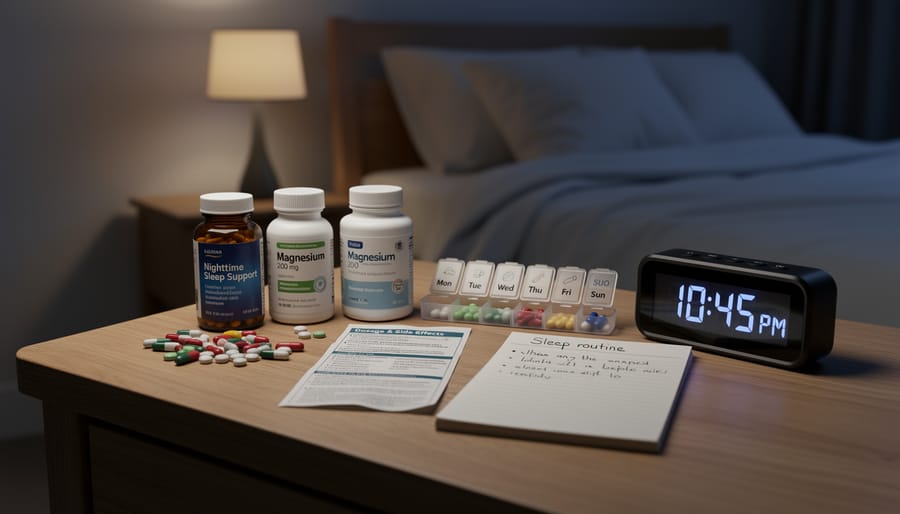
Medication interactions present real risks. CBD inhibits certain liver enzymes that metabolize many common drugs including blood thinners, antidepressants, and seizure medications. This can alter how your body processes these prescriptions, potentially creating dangerous levels. Always discuss CBD use with your doctor if you take any regular medications.
Younger users under 25 face unique concerns since brain development continues into the mid-twenties. Regular THC use during adolescence has been linked to cognitive effects and may impact memory and learning. For those seeking wellness support without psychoactive effects, 0 THC CBD products offer an alternative worth exploring.
When in doubt, conservative caution and professional medical guidance trump trend-following every time.
Making Smart Choices: Quality and Dosage Matter
Choosing quality THC and CBD products is just as important as deciding whether to use them at all. Not all products are created equal, and the wrong choice can lead to ineffective results or unexpected side effects. Start by looking for brands that prioritize transparency and third-party lab testing. Reputable companies provide certificates of analysis (COAs) that confirm cannabinoid content, verify the absence of harmful contaminants like pesticides or heavy metals, and ensure the product matches what’s on the label. These details matter when you’re integrating wellness products into your routine with intention.
When evaluating products, keep these essentials in mind:
- Third-party lab results that verify potency and purity
- Clear ingredient lists without unnecessary fillers or additives
- Accurate dosage information per serving
- Established brand reputation with genuine customer reviews
Dosage is where most beginners stumble. Start low and go slow is the golden rule. For CBD, beginning with 10-20mg per day allows you to gauge how your body responds without overwhelming your system. THC requires even more caution due to its psychoactive nature. If you want to avoid psychoactive effects entirely, zero-THC CBD products offer wellness benefits without the high. Give each dose several days to assess its impact before adjusting upward. Your body’s response will guide you better than any generic recommendation, so pay attention to subtle changes in sleep quality, stress levels, or physical discomfort.
Common Questions About THC and CBD Safety
Will CBD or THC show up on a drug test?
THC will likely trigger a positive result on standard workplace drug tests, even at low doses. Pure CBD products should not cause a positive test, but full-spectrum CBD oils contain trace THC that could accumulate with regular use and potentially register on sensitive tests.
Are hemp-derived products different from marijuana products?
Legally, hemp contains 0.3% THC or less and is federally legal, while marijuana exceeds that threshold and remains federally restricted. Both plants produce CBD, but hemp-derived CBD products are more widely available and won’t produce psychoactive effects.
Can you become addicted to THC or CBD?
CBD has minimal addiction potential and doesn’t create dependency. THC can lead to psychological dependence with regular heavy use, particularly in people who start young or use daily, though physical withdrawal symptoms are typically mild compared to other substances.
How do I know if CBD or THC products are actually working?
Effects vary by person, dose, and product quality. You might notice improved sleep, reduced physical tension, or better stress and balance within days or weeks. Keep a simple journal tracking your dose, timing, and how you feel to identify patterns, and remember that subtle improvements count just as much as dramatic changes.
Beyond these common questions, remember that product legality varies significantly by state and country. What’s legal where you live matters for both purchase and possession. If you’re uncertain about how these compounds might interact with medications you take or conditions you manage, a conversation with a healthcare provider familiar with cannabinoids can provide personalized guidance. The key is approaching THC and CBD with curiosity rather than anxiety, armed with accurate information that helps you make choices aligned with your wellness goals.
how it works
Understanding whether THC and CBD are bad for you starts with knowing how they interact with your body’s natural systems. Both compounds work through your endocannabinoid system, a network of receptors that helps regulate sleep, mood, pain response, and immune function.
THC binds directly to CB1 receptors concentrated in your brain and nervous system, which produces the “high” feeling and can affect memory, coordination, and perception. This direct binding is why THC has psychoactive effects and carries more immediate risks for some users.
CBD takes a gentler approach. Instead of binding directly, it influences receptors indirectly and may actually reduce some of THC’s intensity. CBD also interacts with serotonin receptors and other pathways related to anxiety and inflammation, which explains its calming reputation without the intoxication.
Your body already produces its own cannabinoids, called endocannabinoids, that keep these systems balanced. THC and CBD from external sources essentially hijack this existing infrastructure. The key difference is how aggressively they do it. THC forces a stronger response, while CBD tends to modulate more subtly.
Whether this interaction becomes “bad” depends on your dosage, frequency, individual chemistry, and the quality of what you’re using. The mechanism itself isn’t harmful, but how you engage with it matters significantly.
Types or components
THC and CBD products break down into several key categories based on how they’re formulated and what they contain. Full-spectrum products include all naturally occurring compounds from the cannabis plant, cannabinoids, terpenes, and trace amounts of THC (under 0.3% for hemp-derived CBD). These create an “entourage effect” where compounds work together, potentially enhancing benefits but introducing minimal psychoactive risk.
Broad-spectrum options remove THC entirely while keeping other beneficial compounds, offering a middle ground for those wanting multiple cannabinoids without any THC presence. CBD isolate is the purest form, 99% pure CBD with everything else stripped away, ideal if you want predictability and zero THC.
On the THC side, products vary by THC concentration and ratio. High-THC formulas produce stronger psychoactive effects, while balanced CBD:THC ratios (like 1:1) can moderate the high while maximizing therapeutic potential. Delta-8 THC, a less potent variant, has gained popularity as a gentler alternative to traditional delta-9 THC.
Understanding these distinctions matters for safety and effectiveness. Your experience, and potential risks, shift dramatically based on which type you choose and how your body responds to different cannabinoid profiles.
So, are THC and CBD bad for you? The honest answer is no, they’re not inherently harmful, but they’re not risk-free either. Like any wellness tool, they work best when you approach them with intention and knowledge. Your body, your health history, and your lifestyle all play a role in how you’ll respond.
The key is making informed choices. Start low, choose quality products with third-party testing, and pay attention to how you feel. What works beautifully for your friend might not suit you, and that’s completely normal. If you’re on medications or managing health conditions, loop in your healthcare provider before experimenting.
THC and CBD can absolutely support a stylish, balanced lifestyle when used thoughtfully. They’re tools for comfort and elevation, not magic fixes. Whether you’re exploring CBD for post-workout recovery or THC for better sleep, the goal is enhancing your wellness, not complicating it.
Trust yourself to know what feels right. Do your research, ask questions, and remember that wellness is personal. When approached with care and respect, THC and CBD can fit seamlessly into the life you’re building, one mindful choice at a time.