
 0
0
 0
0
Physical and mental health represent the two interconnected pillars of overall wellness: your body’s ability to function optimally and your mind’s capacity to process emotions, thoughts, and stress in healthy ways. Together, they determine not just how long you live, but how vibrantly you experience each day.
Understanding why both dimensions matter isn’t about adding another item to your to-do list. It’s about recognizing that the energy you bring to your morning routine, the confidence you feel in your favorite outfit, and the clarity you need to make decisions all stem from this foundation. When your body feels strong, your mind follows. When your mental state is balanced, your physical choices improve naturally.
The connection runs deeper than most realize. Chronic stress doesn’t just live in your head; it manifests as tension in your shoulders, disrupted sleep patterns, and even weakened immunity. Similarly, regular movement doesn’t only build muscle; it releases neurotransmitters that stabilize mood and sharpen focus. This biological feedback loop means neglecting one side inevitably impacts the other.
This article breaks down exactly how physical and mental health interact, what components make up each dimension, and practical ways to integrate both into a lifestyle that feels as good as it looks. You’ll discover why prioritizing wellness holistically isn’t about perfection but about creating sustainable habits that support the life you want to live in 2026 and beyond.
What Physical and Mental Health Really Mean
Physical health is about how your body functions day to day, your energy levels, physical strength, cardiovascular fitness, immune resilience, and overall vitality. It’s the foundation that lets you move through life comfortably, whether you’re dancing at a friend’s party, walking miles in your favorite sneakers, or simply having the stamina to enjoy your evening after a full workday.
Mental health, on the other hand, encompasses your emotional well-being, mental clarity, stress management skills, and psychological resilience. It’s what helps you navigate challenges with composure, maintain perspective during tough moments, and experience genuine joy and connection in your relationships and passions.
- Physical Health
- The condition and functioning of your body, including strength, endurance, flexibility, and the ability to perform daily activities with energy and without pain or excessive fatigue.
- Mental Health
- Your emotional, psychological, and social well-being, how you think, feel, manage stress, relate to others, and make choices throughout life’s ups and downs.
- Holistic Wellness
- The integration of physical and mental health into a balanced lifestyle where both dimensions support and enhance each other, creating sustainable vitality and resilience.
Here’s what makes this relationship fascinating: these two aren’t separate boxes you check off independently. Your body directly influences your mind, exercise floods your brain with mood-boosting endorphins, poor sleep clouds your judgment, and chronic pain drains emotional reserves. Similarly, your mental state shapes your physical reality. Persistent stress can trigger headaches, digestive issues, or a weakened immune system, while positive emotions and mental calm can actually speed physical recovery.
Think of them as dance partners moving together. When one stumbles, the other compensates, but both perform best when they’re in sync. This interconnection means you can’t truly thrive by focusing on one while neglecting the other. A toned body won’t bring lasting confidence if anxiety dominates your thoughts, and mental peace feels harder to maintain when physical discomfort or exhaustion weighs you down. Together, though, they create the balanced foundation for the vibrant, stylish, comfortable life you’re building.
How Physical and Mental Health Work Together

The Brain-Body Feedback Loop
Your body and mind are in constant conversation. When you move, whether it’s a morning walk, a yoga flow, or dancing in your kitchen, your brain releases endorphins and serotonin, the chemicals behind that post-workout glow and the clarity you feel afterward. Regular physical activity has been shown to reduce symptoms of depression and anxiety, proving the powerful link between exercise and mental health. But the loop works both ways: chronic stress or anxiety can show up as tight shoulders, headaches, digestive issues, or persistent fatigue. Your body literally holds onto what your mind is processing. That’s why a stressful week might leave you feeling physically drained, while a good sweat session can shift your entire mood. Recognizing this feedback loop helps you understand that caring for one side directly supports the other, and that small, consistent actions can create meaningful change in how you feel every day.
Lifestyle Habits That Bridge Both
Sleep, nutrition, movement, and social connection aren’t separate checkboxes, they’re the everyday habits that naturally support both your body and mind at once.
Quality sleep does more than restore energy; it regulates mood, sharpens focus, and allows your body to repair itself. Skimping on rest doesn’t just leave you tired, it amplifies stress, weakens immunity, and makes healthy choices harder to sustain.
What you eat fuels both physical energy and mental clarity. Balanced meals with whole foods stabilize blood sugar, which keeps your mood steady and your brain sharp. You don’t need a restrictive diet, just consistent nourishment that makes you feel good.
Movement is a mood booster as much as a fitness tool. Whether it’s a walk, yoga, or dancing in your kitchen, physical activity releases endorphins, reduces anxiety, and builds confidence. The key is finding what feels enjoyable, not punishing.
Social connection combats loneliness and stress while encouraging healthier habits. Spending time with people you trust lowers cortisol, increases feelings of belonging, and often motivates you to take better care of yourself. Prioritize relationships that leave you feeling energized, not drained.
The Different Dimensions of Wellness
Physical Health Components
Physical health isn’t just about aesthetics, it’s the foundation for feeling energized, confident, and ready to take on whatever life throws your way. Movement and fitness come first: find activities you genuinely enjoy, whether that’s a morning yoga flow, dancing in your living room, or a brisk walk through your neighborhood. Consistency beats intensity every time. Balanced nutrition means nourishing your body with whole foods, colorful produce, lean proteins, and healthy fats, not restriction or rigid rules. Eat in a way that fuels your energy and makes you feel good, not guilty. Restorative sleep is non-negotiable: aim for seven to nine hours nightly to support everything from muscle recovery to immune function. Quality rest directly impacts your mood, focus, and how you show up each day. Finally, body care includes regular check-ups, staying hydrated, and listening to your body’s signals, aches, fatigue, or tension are messages, not inconveniences. Together, these components create a sustainable path to stress-free wellness where strength and vitality support the lifestyle you want to live.
Mental Health Components
Mental health isn’t just about the absence of stress or anxiety, it’s about cultivating the inner tools that help you show up as your best self, even when life gets messy.
Emotional awareness means recognizing what you’re feeling and why, without judgment. It’s the difference between snapping at a friend and pausing to realize you’re actually exhausted or overwhelmed. This self-knowledge helps you respond thoughtfully instead of reacting impulsively.
Stress resilience is your ability to bounce back from challenges without burning out. It’s built through healthy coping strategies, whether that’s journaling, talking things out, or simply knowing when to step away and reset. Resilience doesn’t mean never feeling stressed; it means handling it without falling apart.
Meaningful connections anchor your mental wellbeing. Quality time with friends, family, or a supportive community gives you perspective, laughter, and a sense of belonging. Humans thrive on connection, and isolation takes a real toll on mental health.
Mental rest is just as crucial as physical rest. This means giving your brain permission to unplug, whether through meditation, a digital detox, or simply doing nothing. Constant stimulation wears you down; intentional downtime restores clarity and calm.
Why Prioritizing Both Matters in Real Life
Elevate Your Everyday Performance
When your body feels strong and your mind is clear, everything else clicks into place. You’ll notice sharper focus during work meetings, sustained energy that carries you through afternoon slumps, and the mental bandwidth to handle unexpected challenges without spiraling. Balanced wellness isn’t about grinding harder, it’s about showing up more fully, whether you’re nailing a presentation, catching up with friends, or choosing an outfit that makes you feel unstoppable.
Physical vitality fuels mental sharpness. Regular movement improves blood flow to the brain, while quality sleep consolidates memory and decision-making. When you’re not constantly battling fatigue or anxiety, you naturally exude the kind of confidence that draws people in. Your conversations flow easier, your creative ideas surface faster, and you actually enjoy the moments you used to just push through. It’s the difference between surviving your day and genuinely thriving in it, all while looking and feeling like the best version of yourself.
Sustain Your Style and Confidence
When you prioritize your physical and mental wellness, something remarkable happens: you start carrying yourself differently. That energy shows up in how you move through the world, how you make choices, and yes, how you dress. True confidence through style isn’t about forcing trends or chasing perfection. It comes from feeling genuinely good in your own skin. When your body feels strong and your mind feels clear, you naturally gravitate toward pieces that celebrate rather than conceal, that reflect your personality rather than hide it. You experiment more, take more risks, and wear what genuinely makes you happy instead of what you think you should wear. That inner glow translates to better posture, brighter expressions, and an authentic presence that no expensive outfit can fake. Your beauty routine becomes an extension of self-care rather than damage control, and getting dressed becomes a creative expression of who you are rather than a daily battle.
Build Long-Term Resilience
Life doesn’t stay predictable. Jobs shift, relationships evolve, bodies change, and unexpected curveballs land when you least expect them. When you’ve built a steady foundation of physical and mental wellness, you’re better equipped to ride those waves without crumbling under pressure.
Regular movement strengthens not just muscles but also your stress response system. Eating well fuels stable energy and mood, so you’re less reactive when things get chaotic. Mental health practices, like setting boundaries or processing emotions instead of stuffing them down, teach you to adapt rather than break. Over time, these habits compound. You recover faster from setbacks, bounce back from burnout, and maintain your sense of self even when everything around you feels unsteady.
Resilience isn’t about never struggling. It’s about having the inner resources to handle what comes next, and still show up as the person you want to be.
Simple Ways to Support Both Every Day
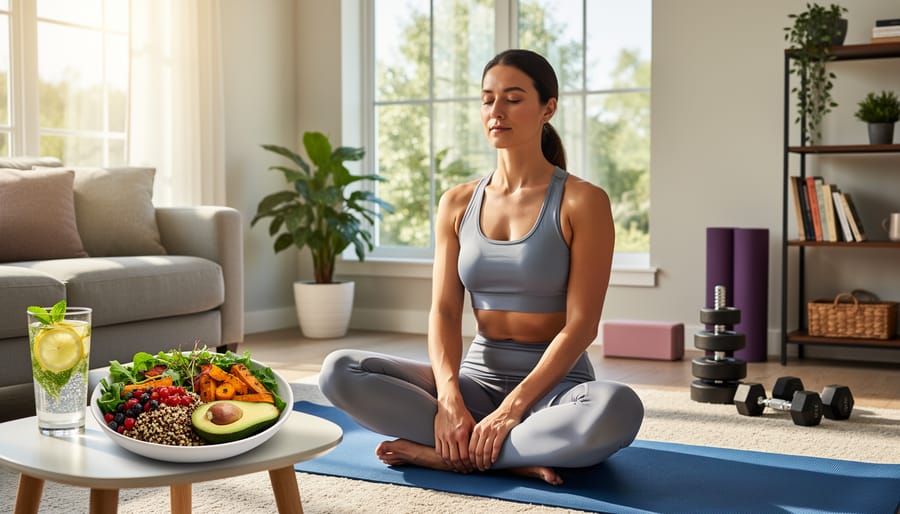
You don’t need a complete overhaul to support both physical and mental health, just a few intentional, feel-good habits woven into your daily routine. The goal is consistency, not perfection, and choosing practices that actually fit your life and style. Here’s how to start building a wellness rhythm that feels as comfortable as your favorite outfit.
- Move in ways that energize you, whether that’s a morning walk, dancing in your living room, or a quick stretch session between meetings.
- Nourish yourself with balanced meals that satisfy both your body and your cravings, without rigid rules or restriction.
- Prioritize 7-9 hours of quality sleep by winding down with a calming evening routine, dimming screens, and keeping your bedroom cool and comfortable.
- Practice mindfulness through five minutes of deep breathing, journaling, or simply pausing to check in with how you’re feeling.
- Stay connected with people who lift you up, schedule regular coffee dates, phone calls, or even quick texts to maintain meaningful relationships.
- Set boundaries around work, social obligations, and digital consumption to protect your energy and mental space.
The beauty of these habits is their flexibility. You can elevate your everyday wellness by mixing and matching what works for your schedule, preferences, and season of life. Maybe you thrive on morning movement and evening journaling, or perhaps midday meditation and post-dinner walks feel more sustainable. Listen to your body and mind, adjust as needed, and remember that small, repeated actions create lasting change. Supporting both dimensions of health doesn’t require a complete lifestyle overhaul, it’s about honoring what you need to feel good, stay grounded, and show up as your best self every single day.
Common Questions About Physical and Mental Health
Can you have physical health without mental health, or vice versa?
Not really. While you might appear physically fit on the outside, chronic stress or emotional neglect will eventually show up as fatigue, weakened immunity, or other physical symptoms. Similarly, poor physical health, like inadequate sleep or nutrition, drains your mental resilience and emotional stability.
How do I know if I’m neglecting one area?
Your body and mind send signals. If you’re constantly tired despite regular workouts, that’s often a mental health red flag. If you’re emotionally drained and notice more aches, headaches, or getting sick easily, your physical health likely needs attention.
What if I genuinely don’t have time for both?
Start by choosing habits that serve double duty. A 20-minute walk clears your head and moves your body. Quality sleep supports both. Even five minutes of stretching or breathing exercises counts, wellness doesn’t require hour-long commitments to make a difference.
Do my fashion and beauty routines factor into wellness?
Absolutely. When you take time to care for your appearance in ways that feel good, not obligatory, it boosts confidence and self-worth, which are core to mental health. Comfortable, expressive style choices also reduce physical and mental stress throughout your day.
These questions reflect real concerns from people trying to balance wellness with demanding, style-conscious lives. The truth is, you don’t need to overhaul everything at once. Small shifts make a meaningful impact when you’re consistent and kind to yourself. If you’re exploring wellness aids like supplements or relaxation tools, understanding the science of CBD and similar options can help you make informed choices that align with your goals. The key is progress, not perfection, honor where you are right now and build from there.
Physical and mental health aren’t separate boxes to check or luxuries to pursue when life slows down. They’re interwoven essentials that fuel everything you do, from crushing your goals to rocking that outfit that makes you feel unstoppable. When you nurture both, you’re not just surviving, you’re thriving with energy, confidence, and the kind of glow that no highlighter can fake.
The good news? You don’t need to overhaul your entire life overnight. Start small. Move your body in ways that feel good, not punishing. Nourish yourself without guilt. Prioritize sleep like the secret weapon it is. Check in with your feelings as often as you check your mirror. Honor what your mind and body need today, knowing it might look different tomorrow.
Wellness isn’t about perfection. It’s about showing up for yourself consistently, imperfectly, and with compassion. It’s the foundation that lets you elevate your life without burning out, chase your dreams without losing yourself, and live comfortably in your own skin. That’s the real glow-up, and it starts with you.