
 0
 0
K-12 classrooms look radically different than they did just twelve months ago, and the shift centers on one thing: artificial intelligence. Teacher adoption of AI tools has jumped from 50% to 83% in the past year alone, while more than half of middle and high school students now use AI for schoolwork. This isn’t a slow-building trend or a pilot program tucked away in a few progressive districts. Schools across the country have committed over $5 million to AI platforms, often moving so fast they’ve bypassed traditional procurement processes entirely.
The change goes beyond new software. Teachers using AI weekly are reclaiming nearly six hours of their time, redirecting energy from lesson planning and assessment grading toward the human side of education: mentoring, creative projects, and one-on-one support. Students, meanwhile, are getting personalized tutoring and instant feedback through chatbots that adapt to their learning pace. According to a 2025 Microsoft report, 86% of education organizations now use generative AI, a adoption rate that would have seemed impossible even two years ago.
But rapid growth brings friction. Ohio became the first state to mandate AI governance policies for all K-12 public schools, requiring districts to finalize their guidelines by July 1, 2026 under House Bill 96. The question isn’t whether AI belongs in education anymore. It’s how schools will shape its role, balance access with equity, and prepare students for a world where these tools are simply part of daily life. What comes next will redefine how an entire generation learns, creates, and expresses themselves.
What Changed: The AI Revolution in K-12 Education
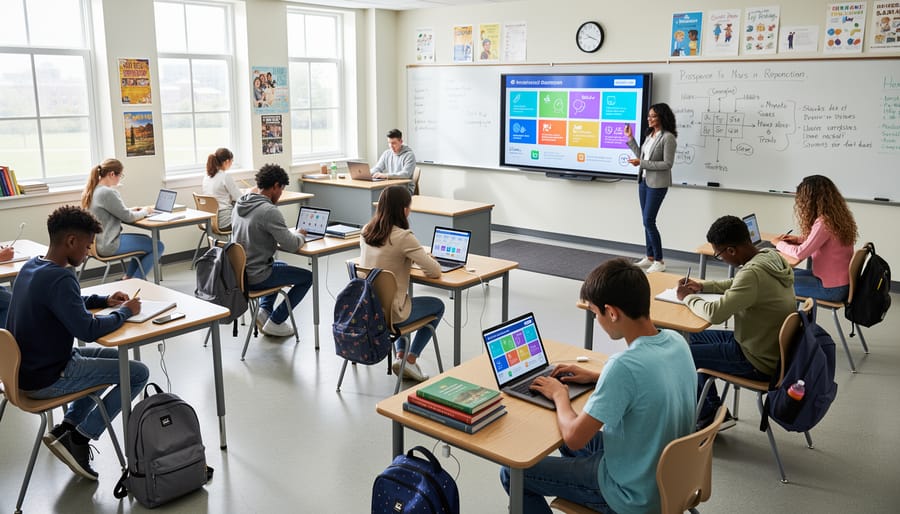
The numbers tell a story of transformation happening faster than anyone predicted. Just a year ago, half of K-12 teachers were experimenting with AI tools. Today, that figure has soared to 83%, marking one of the most rapid technology adoption curves education has ever seen. Districts responded by pouring resources into the shift, more than $5 million in AI tool purchases, often moving so quickly they bypassed traditional procurement processes entirely.
This isn’t just about teachers adopting new software. Students are leading their own AI revolution, with 54% of middle and high schoolers now using these tools for school assignments, research, and learning support. The practical impact shows up in time savings that matter, teachers using AI weekly report reclaiming 5.9 hours, time they’re redirecting toward actual student interaction, creative lesson design, and the kind of mentorship that can’t be automated.
What makes this moment different from past education technology waves is the simultaneous adoption across all stakeholders. Teachers are using AI for lesson planning and assessment creation. Districts are investing in both student-facing solutions like intelligent tutoring systems and chatbots alongside educator-focused tools. According to a 2025 Microsoft report, 86% of education organizations now use generative AI in some capacity. The result is a fundamental reshaping of how learning happens, who controls the pace, and what role technology plays in the daily rhythm of school life.
Key Developments Reshaping Classrooms in 2026
1. Teacher Adoption Skyrocketed and Time Saved Is Real

The numbers tell a story of transformation happening at lightning speed. Just one year ago, half of all teachers were experimenting with AI tools. Today, that figure sits at 83%, marking one of the fastest technology adoption curves education has ever seen. This isn’t tentative exploration anymore, it’s integration into daily teaching practice.
What makes this shift real is the time AI gives back. Teachers who use these tools weekly save 5.9 hours weekly nearly a full workday reclaimed from the grind of administrative tasks. That time once spent drafting lesson plans, creating differentiated assessments, and writing individualized feedback now flows back into what drew most educators to the profession in the first place: actual connection with students.
The practical applications cluster around two main areas. Teachers lean on AI for lesson planning, generating discussion prompts, adapting materials for different learning levels, suggesting activity variations, and for assessment creation. Writing quiz questions, developing rubrics, and providing detailed feedback on student work all become faster without sacrificing quality.
This time dividend ripples beyond teacher wellness, though better work-life balance absolutely matters. When educators spend less time on paperwork and more time present with students, classroom culture shifts. Engagement improves. Conversations deepen. The modern teacher can now prioritize the human elements of education while AI handles the mechanical prep work, creating space for the kind of learning environment where students genuinely thrive.
2. Districts Invested Big, Often Outside Traditional Channels
Schools aren’t waiting around. Districts poured more than $5 million into AI tools over the past year, and here’s the twist: much of that spending happened outside the usual procurement channels. No lengthy RFPs, no endless committee reviews, schools moved fast, often greenlighting purchases through emergency budgets or pilot programs that bypassed traditional approval processes.
This spending split tells you where priorities lie. Roughly half went toward student-facing solutions, AI tutoring platforms, homework help chatbots, and personalized learning tools that adapt to individual progress. The other half funded teacher-focused resources: lesson planning assistants, automated grading systems, and assessment generators that shave hours off weekly workloads.
What makes this notable isn’t just the dollar amount. It’s the speed. Traditional education procurement moves like molasses, but districts recognized they couldn’t afford to wait while teachers and students were already experimenting with consumer AI tools. Better to invest in vetted, education-specific solutions than watch classrooms fragment into a patchwork of unregulated apps.
The student-focused tools aim to fill gaps, offering extra support after hours, breaking down complex concepts, providing practice problems that adjust to skill level. Teacher tools target the administrative burden that pulls educators away from actual teaching. Both reflect a pragmatic bet: AI won’t replace human instruction, but it can clear space for more meaningful student-teacher interaction.
Schools that hesitated last year are now playing catch-up, trying to formalize what started as ad-hoc adoption into sustainable programs.
3. Students Are Already AI Users, 54% and Growing
More than half of middle and high school students, 54%, now use AI tools for schoolwork, marking a generational shift in how young people approach learning. They’re turning to chatbots for homework help, using AI to brainstorm essay ideas, and leaning on tutoring platforms that adapt to their pace. This isn’t a fringe habit; it’s mainstream behavior reshaping classroom dynamics and raising urgent questions about equity and digital literacy.
The accessibility issue cuts both ways. AI democratizes resources for students without private tutors, but it also widens gaps when some schools provide guided AI instruction while others don’t. Students teaching themselves to use these tools often lack critical evaluation skills, they may not question a chatbot’s accuracy or understand when AI-generated work crosses ethical lines. Digital literacy isn’t optional anymore; it’s foundational, and schools that don’t teach responsible AI use leave students vulnerable.
This trend also intersects with modern school culture and identity. Students comfortable with technology expect learning environments that reflect their digital fluency. They value efficiency, personalized feedback, and tools that adapt to their individual style, preferences that extend beyond academics into how they present themselves and navigate peer interactions. Schools recognizing this shift create space for both tech-forward learning and authentic self-expression, acknowledging that today’s students are building identities at the intersection of innovation and individuality.
4. Ohio Becomes First State to Mandate AI Policies by July 2026
Ohio just made history by becoming the first state to require formal AI policies in every public K-12 school district. House Bill 96, signed as part of the state’s Fiscal Year 2026-2027 operating budget, mandates that all districts develop and implement policies governing artificial intelligence use by July 1, 2026. This isn’t a suggestion or pilot program, it’s a statewide requirement that forces schools to move from reactive experimentation to structured governance.
The mandate arrives at a critical moment. With teacher AI adoption jumping to 83% and more than half of middle and high school students already using AI for schoolwork, Ohio recognized that districts need clear guardrails. The policy requirement covers everything from acceptable use to data privacy, ensuring that the rapid integration of AI tools happens within an ethical, transparent framework rather than a free-for-all.
Why does this matter beyond Ohio? It sets a precedent that other states are likely to follow. As districts nationwide spend millions on AI solutions, often outside traditional oversight channels, the need for formal governance becomes obvious. Expect more states to introduce similar mandates throughout 2026, turning Ohio’s move into a national shift toward structured, accountable AI integration in education.
Why It Matters: Education Meets Modern Lifestyle and Identity
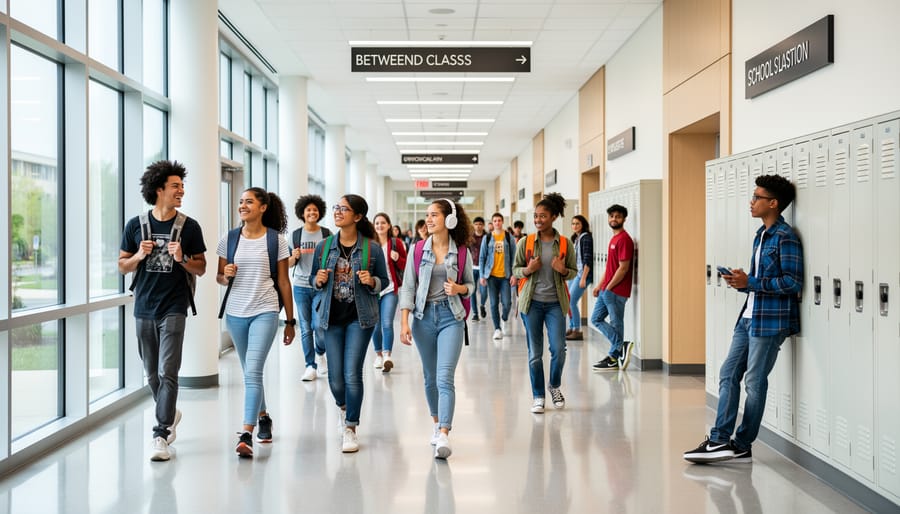
The shift happening in K-12 classrooms right now goes far beyond academic technology. Schools embracing AI-driven learning tools are simultaneously rethinking how students show up, literally and figuratively, creating environments where comfort and individuality matter as much as test scores. For a generation that values authentic self-expression, this intersection of education modernization and personal identity isn’t just interesting, it’s shaping how young people develop their sense of style, wellness, and confidence.
When teachers save nearly six hours per week using AI tools, that time flows back into building genuine connections with students and creating classroom cultures that honor different learning styles and personal preferences. Districts investing millions in adaptive technology are also relaxing rigid dress codes, recognizing that fashion in education reflects broader values about autonomy and respect. Students can focus on learning when they’re comfortable in their clothes and confident in their choices, whether that means athleisure for a presentation or everyday style accessories that express who they are.
This evolution matters because education shapes identity formation during crucial developmental years. Schools prioritizing both cutting-edge learning tools and students’ physical and mental health through flexible environments send a powerful message: you can be ambitious and comfortable, innovative and authentic. For young professionals who grew up in this modernized educational landscape, the expectation that spaces should support both productivity and personal expression carries directly into career choices and lifestyle priorities. Understanding these K-12 trends helps you see where contemporary values around work-life balance, individuality, and holistic well-being actually began.
What to Watch: Where K-12 Education Is Heading Next
The trajectory is clear: what’s happening in Ohio classrooms today will shape education nationwide tomorrow. As the first state to mandate AI governance policies, Ohio is setting a precedent that other legislatures are already watching. Expect similar requirements to emerge across the country as districts grapple with rapid technology adoption and the need for structured oversight. The policy conversation is shifting from “should we use AI?” to “how do we use it responsibly?”, and that shift will accelerate throughout 2026 and beyond.
AI literacy isn’t just a tech elective anymore. It’s becoming fundamental to modern education, much like typing skills were a generation ago. Schools are already embedding AI instruction into existing curricula, teaching students not just how to use these tools but how to think critically about them. This means understanding biases in algorithms, evaluating AI-generated content, and recognizing when human judgment matters most. For young professionals and parents, this represents a significant evolution in what “basic education” means, your younger siblings or future children will likely graduate with AI fluency as a baseline skill.
Several critical areas deserve close attention as these trends unfold:
- State-level policy expansions following Ohio’s lead, particularly in large education markets like California, Texas, and Florida
- Integration of AI ethics and digital citizenship into standard curriculum frameworks
- Equity initiatives addressing the digital divide as AI tools become classroom staples
- Evolving student dress codes that balance personal expression with practical school environments
The equity question looms large. With 86% of education organizations now using generative AI, the gap between well-resourced districts and under-funded schools could widen unless deliberate action addresses it. Access to technology, teacher training, and updated infrastructure will determine whether AI becomes an equalizer or another divider in American education.
Meanwhile, the cultural shift in schools continues. As academic environments modernize technologically, they’re also reconsidering traditional approaches to student presentation and self-expression. The same districts investing millions in AI are rethinking rigid dress codes, recognizing that comfort and individuality support learning. This parallel evolution, tech-forward classrooms paired with more flexible personal expression policies, reflects broader societal changes around authenticity, well-being, and what professionalism actually means in modern contexts.
Your Questions Answered
Your Questions Answered
The rapid changes in K-12 education bring plenty of questions, especially for young professionals tracking trends that shape modern lifestyle and student experience. Here’s what you need to know about AI adoption, policy shifts, and how education modernization connects to personal expression.
How are teachers actually using AI in classrooms?
Teachers primarily use AI for lesson planning, creating assessments, and administrative tasks, functions that save weekly users an average of 5.9 hours per week. The jump from 50% to 83% adoption shows educators embracing tools that free up time for direct student engagement and work-life balance.
Are schools monitoring student AI use?
With 54% of middle and high school students using AI for schoolwork, districts are increasingly implementing governance policies rather than outright bans. Ohio’s July 2026 mandate requiring all public districts to establish AI policies signals the shift from prohibition to guided use and digital literacy instruction.
What does Ohio’s AI policy mandate mean for other states?
Ohio became the first state to require AI governance policies through House Bill 96, setting a precedent that other states are likely to follow. The mandate creates a framework for responsible AI integration rather than leaving districts to navigate adoption alone.
How do these education trends connect to student identity and lifestyle?
Schools modernizing their academic approach often simultaneously evolve their culture around student expression, dress codes, and personal style. The same districts investing heavily in AI tend to prioritize student comfort and individuality, recognizing that modern education extends beyond academics to encompass how students present themselves and develop personal identity.
The pattern is clear: schools aren’t just updating technology, they’re rethinking the entire student experience. For parents, educators, and anyone interested in how Gen Z and younger students are shaped by their environment, these shifts matter beyond the classroom, they influence how young people approach learning, self-expression, and balancing structure with individuality in their daily lives.
Staying informed about K-12 education trends isn’t just relevant for parents and educators. These shifts shape how the next generation thinks, learns, and expresses themselves, which ultimately influences the culture, workplaces, and communities we all navigate. As schools embrace AI tools that save teachers nearly six hours a week and empower students to learn differently, they’re also creating environments where individuality and comfort take center stage. The same modernization that’s transforming classrooms is reflected in evolving attitudes toward personal style, from relaxed dress codes to a growing appreciation for minimalist chic that prioritizes ease without sacrificing polish.
For young professionals who value lifestyle elevation and intentional choices, understanding these education trends offers insight into broader cultural movements. The schools adapting today are preparing students who’ll expect flexibility, authenticity, and tech-fluency in every aspect of life, including how they dress and present themselves. Keep watching this space; what happens in K-12 classrooms now will shape the values and expectations of tomorrow’s leaders, colleagues, and trendsetters.