 0
0
 0
0
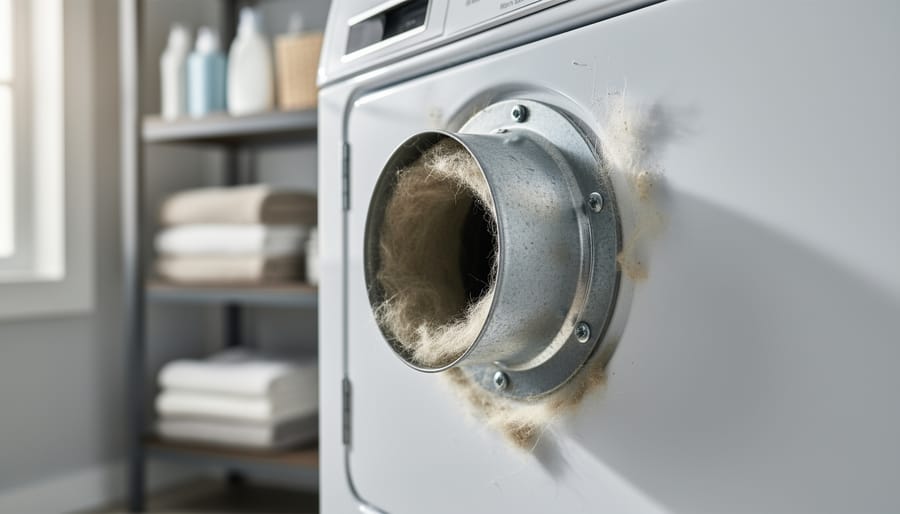
Clogged dryer vents force your dryer to work harder and hotter, creating excessive heat that breaks down fabric fibers, fades colors, and causes premature wear on every garment you own. According to dryerventcleaningspringhill.comthis happens because trapped lint restricts airflow, temperatures spike beyond safe levels, and your clothes tumble longer than necessary to dry. Think of it as subjecting your favorite pieces to repeat punishment. The result? That silk blouse develops weakened seams, your denim loses its shape faster, and delicate knits pill after just a few washes.
Most people don’t realize their dryer vent needs attention until damage appears, but the signs show up in your wardrobe first. Shrunken sweaters, stiff fabrics, and clothes that smell musty even after washing all point to the same culprit. Routine vent maintenance prevents this costly cycle and protects your style investment.
Beyond the financial hit of replacing clothes before their time, there’s the sustainability angle. Fast fashion already strains our planet, so extending garment life through proper dryer care aligns perfectly with a conscious, elevated lifestyle. Understanding exactly how blocked vents sabotage your wardrobe gives you the power to stop it, keeping your pieces looking fresh and feeling luxurious season after season.
Why Your Dryer Vent Matters More Than You Think
Your dryer vent isn’t just an exhaust pipe, it’s the lifeline that keeps your machine running efficiently and your clothes looking their best. Every time you run a load, the dryer pulls in air, heats it, tumbles your clothes, and pushes that hot, moisture-laden air out through the vent. When everything flows smoothly, your garments dry at the right temperature for the right amount of time, coming out fresh without unnecessary stress on the fabric.
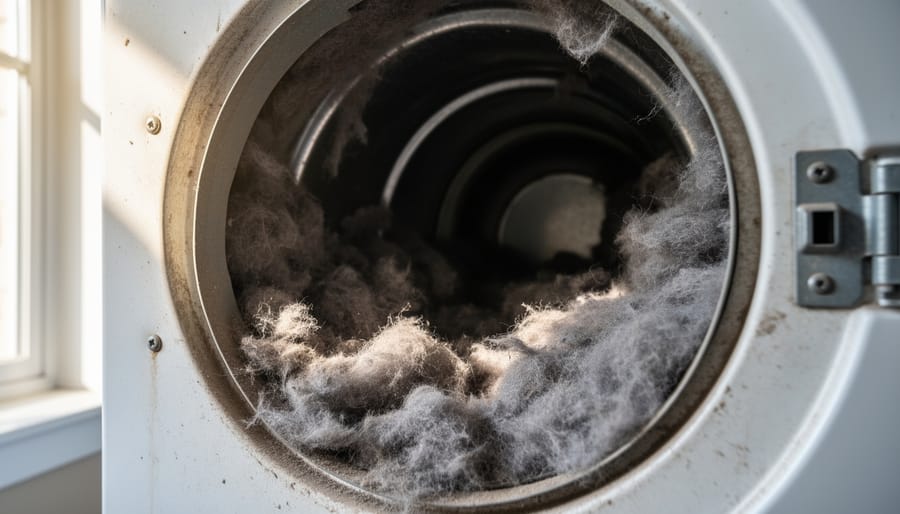
Here’s where things go wrong. Lint, those fuzzy bits that escape your lint trap, accumulates inside the vent ductwork over time. As this buildup grows, it restricts airflow like a clog in a pipe. Your dryer has to work harder to push air through the narrowed passage, which means it runs hotter and longer to compensate for the reduced efficiency. That trapped heat and extended tumbling time create a hostile environment for your clothes.
The domino effect starts immediately. Higher temperatures weaken fibers faster. Extended cycles mean more friction and mechanical wear. Moisture doesn’t escape properly, leaving fabrics damp and forcing you to run additional cycles. What should be a gentle drying process becomes a harsh endurance test that your favorite pieces simply aren’t designed to handle repeatedly. That $80 sweater or those beloved jeans you invested in? They’re aging in fast-forward mode every single time they go through a dryer with a clogged vent.
The Hidden Ways Clogged Vents Damage Your Wardrobe
Excessive Heat Breaks Down Fabric Fibers
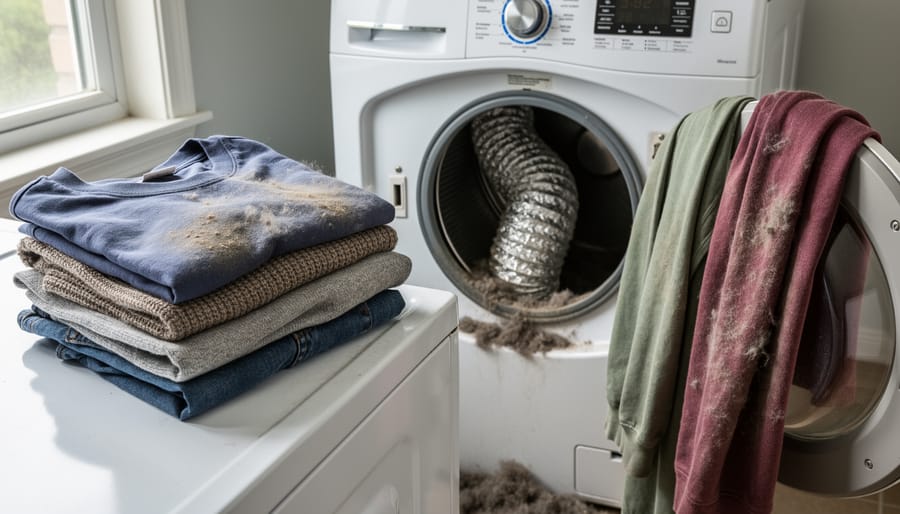
When your dryer vent gets clogged, something dangerous happens inside: temperatures climb well beyond what your fabrics were designed to handle. A properly functioning dryer maintains temps around 125-135°F, but lint buildup increases heat levels dramatically, pushing them past 200°F in some cases. That extra heat isn’t just uncomfortable for your clothes, it actively destroys them from the inside out.
Your favorite cotton tees start breaking down at the fiber level. Natural materials like cotton, linen, and wool contain moisture that evaporates under normal drying conditions, but excessive heat literally cooks these fibers dry, making them brittle and prone to tearing. Synthetic fabrics like polyester, spandex, and nylon fare even worse. They’re basically plastics, and heat melts them slowly, cycle after cycle. That’s why your leggings lose their stretch or your performance shirts start feeling stiff and lifeless.
Color fading accelerates dramatically too. Dyes are chemically bonded to fabric at specific temperature ranges, and when heat spikes, those bonds weaken. Your black jeans turn gray, your vibrant summer dresses look washed out, and that navy blazer you invested in develops an unfortunate purple tinge.
Elastic waistbands, bra straps, and anything with spandex content? They’re the first casualties. Heat destroys elasticity permanently, leaving you with saggy waistbands and stretched-out shapes that no amount of washing can fix.
Longer Dry Times Mean More Tumbling Trauma
When your dryer vent can’t exhale properly, your clothes pay the price in physical wear. A load that should finish in 40 minutes might run for an hour or more, and every extra rotation adds friction your garments weren’t meant to endure.
Think of it like this: dryer drums aren’t gentle. Clothes tumble against each other, against the drum walls, and against zippers and buttons with every revolution. In a normal cycle, this mechanical stress is calculated into the fabric’s expected lifespan. But when a clogged vent doubles your drying time, you’re essentially putting your clothes through two loads worth of tumbling punishment for what should be one.
The damage shows up fast on knits and softer fabrics. That cashmere sweater starts pilling after just a few washes instead of seasons. Your favorite cotton tees develop those tiny fabric balls at friction points. Elastic waistbands in leggings and underwear stretch out because they’re spending twice as long being pulled and twisted in the drum.
Seams take a beating too. The constant tumbling puts stress on stitching, especially at shoulders and side seams where fabric pieces join. Over time, these areas weaken and eventually give way, turning a fixable maintenance issue into a closet full of clothes that look prematurely worn out.
Moisture Retention and Fabric Stress
When your dryer vent can’t expel humid air efficiently, moisture becomes trapped inside the drum with your clothes. This creates a cycle of problems that directly attacks fabric integrity from the inside out.
Clothes that remain damp after a full cycle force you into a frustrating choice: run another cycle or pull out items that aren’t quite dry. Either option damages your wardrobe. Running multiple cycles subjects already-weakened damp fibers to more heat and tumbling, while wearing or storing slightly damp garments invites mildew growth that permanently stains and weakens fabric structure.
Moisture retention is particularly destructive because wet fibers are more vulnerable to stress than dry ones. When damp clothes continue tumbling, the mechanical action pulls and stretches fibers that haven’t regained their structural integrity. Think of it like pulling on a wet sweater versus a dry one, the wet fibers give way more easily, leading to permanent distortion and loss of shape.
Natural fibers like cotton and linen are especially susceptible. They absorb moisture deeply and, when forced to dry in an oxygen-starved environment, develop that telltale musty smell that signals mildew colonization. Once mildew takes hold, it literally digests the fabric, creating weak spots and discoloration that no amount of washing can reverse.
Your favorite jeans, workout clothes, and everyday tees deserve better than this slow deterioration. Proper ventilation ensures moisture exits quickly, allowing fibers to dry completely in a single cycle without the stress of extended dampness or unnecessary re-drying.
The Real Cost to Your Style Investment
That $120 silk blouse you scored last season? The wool sweater you saved for months to buy? When your dryer vent is clogged, you’re unknowingly cutting their lifespan in half. The black jeans that used to be your go-to now look washed out and tired after just a dozen wears. Your favorite white tee has yellowed around the collar. The activewear that held its shape through countless workouts now sags and pills after every wash.
This isn’t just about losing individual pieces. It’s about watching your carefully curated wardrobe deteriorate faster than it should, forcing you to replace items you genuinely loved before you got your money’s worth. Those classic wardrobe pieces that should carry you through years of wear become seasonal casualties instead.
The financial impact adds up quickly. Replace a few quality basics every six months instead of every two years, and you’re looking at hundreds of extra dollars spent annually. That cashmere sweater that should last five years barely makes it through two seasons. The premium denim loses its structure and color depth long before the fabric actually wears through.
Beyond the budget hit, there’s the frustration of losing pieces that define your personal style. When your most-worn favorites look tired and faded, your entire aesthetic suffers. You find yourself reaching for the same few newer items while the rest of your closet gathers dust, no longer meeting the standard you want to present.
Learning how to make outfits last starts with protecting them from avoidable damage. Your dryer vent might be the hidden culprit stealing both your style confidence and your wardrobe budget.
How to Tell If Your Dryer Vent Is Clogged
You don’t need fancy equipment to spot a clogged dryer vent. Your clothes are already telling you there’s a problem, you just need to know what to look for. Start with the most obvious clue: if your clothes consistently take longer than one cycle to dry completely, especially items that used to dry quickly like t-shirts or cotton sheets, restricted airflow is likely the culprit.
Pay attention to temperature. Open the dryer door mid-cycle and feel inside. If the drum is noticeably hotter than usual, or if the exterior of the dryer feels warm to the touch, that heat has nowhere to go. Your clothes are essentially baking rather than drying. Similarly, check the laundry room itself. A room that feels unusually humid or stuffy during drying cycles means moisture isn’t being vented outside properly.
Trust your nose too. If your freshly dried clothes smell musty or stale instead of clean and fresh, trapped moisture is creating the perfect environment for mildew. Pull out the lint trap after your next load. If there’s a thick, compacted layer of lint rather than a light dusting, or if you can see lint accumulation around the dryer door seal or on the floor behind the machine, you’ve got a ventilation issue.
Finally, step outside and locate your exterior dryer vent while the dryer is running. You should feel strong, warm airflow and see the vent flap opening fully. Weak airflow or a flap that barely moves means the path is blocked somewhere along the line.
Protecting Your Wardrobe: Simple Maintenance Steps
Keeping your dryer vent clear isn’t complicated, and the payoff for your wardrobe is worth the minimal effort. Think of it as part of your everyday style routine, just like caring for leather bags or storing cashmere properly.
- Clean your lint trap after every single load. This takes five seconds and prevents the majority of buildup before it reaches the vent system.
- Schedule a professional dryer vent cleaning once a year. Most services cost between $100-$200 and take under an hour, a small price for protecting hundreds or thousands of dollars worth of clothing.
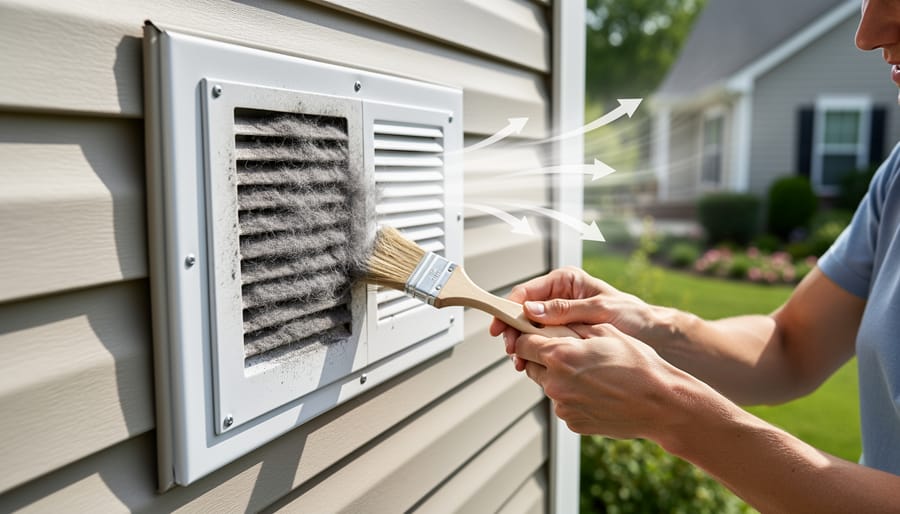
- Check your exterior vent opening every few months. Make sure the flap moves freely and isn’t blocked by lint, bird nests, or debris.
- Vacuum around and behind your dryer quarterly to catch lint that escapes the trap.
- Monitor dry times as your personal warning system. If clothes that used to take 45 minutes now need 90, your vent needs attention.
You can handle basic lint trap and exterior vent maintenance yourself, it’s as straightforward as other home maintenance basics. But call a professional if you notice persistent dampness after full cycles, burning smells, or if your dryer is vented through multiple floors or a long duct run. Those situations require specialized tools and expertise.
The investment in proper maintenance pays for itself quickly. That designer jacket you splurged on will keep its shape and color. Your favorite jeans won’t fade prematurely. Your workout gear will maintain its stretch and performance. You’re not just protecting fabric, you’re preserving the pieces that make you feel confident and put-together.
Common Questions About Dryer Vents and Clothing Care
You’re probably wondering about the practical side of protecting your clothes through proper dryer maintenance. These questions come up constantly, and the answers might surprise you with how straightforward they are.
How often should I clean my dryer vent?
Most homes need professional dryer vent cleaning once a year, though larger households doing multiple loads daily might need it twice annually. Clean your lint trap after every single load without exception.
Can I clean the dryer vent myself?
You can handle basic maintenance like cleaning the lint trap and vacuuming the vent opening, but a thorough cleaning requires specialized brushes and often means accessing the full vent run from inside and outside your home. Professional cleaning is worth it annually.
Does vent maintenance really matter for expensive clothing?
Absolutely. Higher-quality fabrics often contain delicate fibers, special weaves, or technical materials that are even more vulnerable to heat damage and excessive tumbling than everyday basics. A clogged vent can ruin a $200 cashmere sweater faster than a $20 cotton tee.
Are certain fabrics more at risk from clogged vents?
Yes. Natural fibers like wool and silk are highly heat-sensitive, athletic wear with elastic components degrades quickly under prolonged heat exposure, and synthetic blends are prone to pilling from extended tumbling. Delicate fabrics suffer first, but no material is immune.
The reality is that dryer vent maintenance isn’t complicated or time-consuming. Checking your outdoor vent takes two minutes. Scheduling an annual cleaning costs less than replacing a single quality shirt. And once you understand the connection between a clear vent and clothes that look newer longer, it becomes an obvious part of caring for your wardrobe.
Think of it this way: you wouldn’t skip washing your favorite pieces or let them sit in a heap. Maintaining your dryer is the same category of care. The machine itself needs attention to do its job without destroying what you put inside it. That annual cleaning protects every load you’ll run for the next twelve months.
Your favorite pieces deserve better than to fade, pill, and wear out before their time. Keeping your dryer vent clear isn’t just home maintenance, it’s wardrobe care that pays off every time you reach for that perfect top or those flattering jeans that still look great.
Think of it as an extension of your style routine, like caring for leather shoes or storing sweaters properly. A clean vent protects the clothing you’ve chosen carefully and invested in thoughtfully. It keeps colors vibrant longer, maintains the fit and feel you love, and stretches your fashion budget by making everything last.
Beyond your closet, you’re also making a more sustainable choice. Less fabric damage means fewer replacements, which reduces waste and the environmental cost of producing new garments. Your personal style and your values can align with something as simple as checking that exterior vent.
This weekend, take five minutes to inspect your dryer setup. Clear the lint trap, peek outside at the vent, and schedule a cleaning if it’s been a while. Your wardrobe will thank you.