 0
0
 0
0
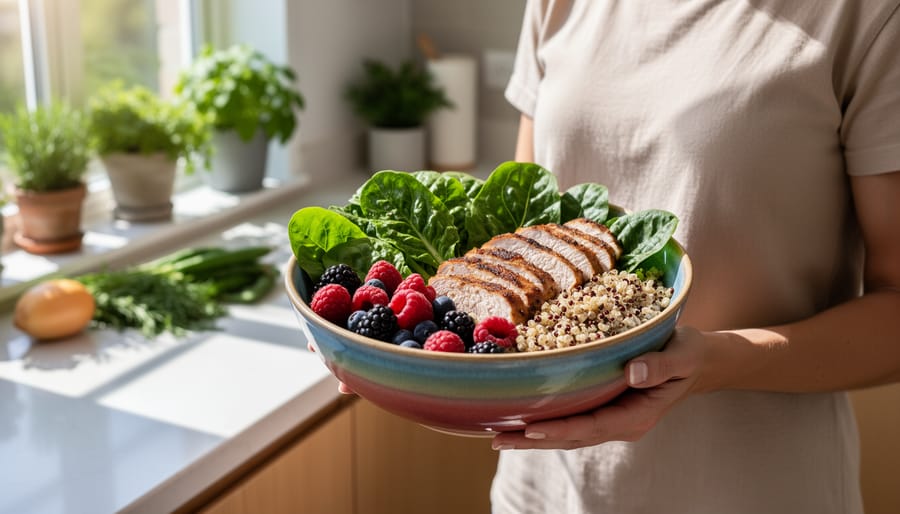
A healthy diet does three transformative things: it fuels sustained energy throughout your day, gives you that natural glow from the inside out, and strengthens your immune system to keep you feeling your best. These aren’t abstract promises or far-off goals. They’re tangible shifts you’ll notice in how you look, feel, and move through your everyday life.
You already know eating well matters. But between conflicting nutrition trends and your packed schedule, it’s easy to lose sight of what healthy eating actually delivers. The truth is simpler than the noise suggests. When you consistently nourish your body with whole foods, you’re not just checking a wellness box. You’re investing in your physical and mental health in ways that show up immediately and compound over time.
This isn’t about perfection or restriction. It’s about understanding which benefits matter most in your real life, the one where you’re balancing work deadlines, social plans, and the desire to actually enjoy what you eat. Energy that lasts past 3 p.m., skin that needs less concealer, and a body that bounces back faster when everyone around you is getting sick. Those are the returns worth caring about, and they’re entirely within reach when you know what to prioritize on your plate.
Why These Three Benefits Matter Most
We chose these three benefits because they’re the ones you’ll actually *notice*, and feel, in your everyday life. While a healthy diet offers countless advantages (from better digestion to improved mental clarity), energy, skin, and immunity are the trifecta that directly impact how you show up in the world. They’re the benefits that complement your personal style, support your packed schedule, and enhance your confidence without requiring complicated meal plans or restrictive eating. Think of them as the foundation of an elevated lifestyle: you look better, feel stronger, and have the stamina to enjoy everything you love. These aren’t abstract health perks you’ll see in a decade, they’re tangible improvements you can experience within weeks.
1. More Energy to Power Through Your Day (and Your Workouts)
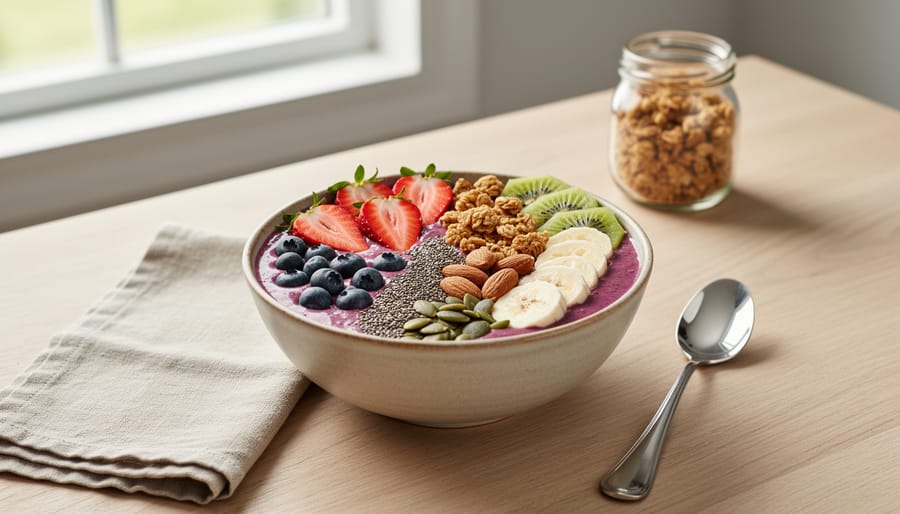
You know that sluggish feeling around 3 PM when your brain feels like it’s wading through fog and your motivation has completely flatlined? That’s your body running on empty, or worse, on the wrong fuel. When you eat a balanced diet built around whole foods, you’re giving your body a steady stream of energy that actually lasts. No sudden spikes, no dramatic crashes, just sustained vitality that carries you from morning meetings to evening plans without needing a third (or fourth) coffee.
The secret lies in how different nutrients work together. Complex carbohydrates, think quinoa, sweet potatoes, and oats, release glucose slowly into your bloodstream, providing a consistent energy supply rather than the rollercoaster ride you get from refined sugars. Pair those carbs with quality protein from sources like eggs, Greek yogurt, or chickpeas, and you stabilize your blood sugar even further while supporting muscle recovery and keeping hunger at bay. Healthy fats from avocados, nuts, and olive oil round out the equation, helping your body absorb essential vitamins and keeping you satisfied for hours.
This isn’t about perfection or restriction. It’s about fueling yourself in a way that supports the life you want to live. When your energy levels are stable, you actually want to move your body. That morning workout stops feeling like a chore and starts feeling like something you look forward to. You have the stamina to meet friends after work instead of canceling because you’re too drained.
Here are some energy-boosting foods and simple meal ideas that fit seamlessly into your routine:
- Overnight oats with almond butter, chia seeds, and berries for grab-and-go mornings
- Grilled chicken or tofu bowls with brown rice, roasted vegetables, and tahini drizzle
- Hummus and veggie wraps on whole grain tortillas for a satisfying midday option
- Trail mix with nuts, seeds, and dark chocolate for an afternoon pick-me-up
- Salmon or lentils with quinoa and leafy greens for a restorative dinner
The difference you’ll notice is real. When you’re not constantly fighting fatigue, everything becomes easier. You think more clearly, you handle stress better, and you show up as your best self in every area of your life. That’s the kind of energy that doesn’t come from another espresso shot, it comes from genuinely nourishing your body.
2. Radiant Skin That Glows from the Inside Out

You’ve heard the phrase “you are what you eat,” and when it comes to skin, it’s surprisingly literal. The foods you choose show up on your face within days, sometimes hours, making nutrition one of the most underrated beauty tools in your routine. While serums and moisturizers work from the outside in, a nutrient-rich diet transforms your complexion from the inside out, giving you that natural, no-filter glow that no highlighter can fully replicate.
Your skin is your body’s largest organ, and it needs a steady supply of vitamins, minerals, and hydration to function at its best. Vitamin C helps your body produce collagen, keeping skin firm and smooth. Antioxidants like vitamin E and beta-carotene fight free radicals that cause dullness and premature aging. Omega-3 fatty acids maintain your skin’s lipid barrier, locking in moisture and keeping irritation at bay. Zinc supports cell repair and reduces inflammation, which is why it’s a go-to for clearing breakouts. When these nutrients are consistently flowing through your system, your skin responds with improved texture, even tone, and a radiance that looks effortless.
Hydration plays an equally crucial role. Water flushes toxins, plumps skin cells, and keeps your complexion looking fresh instead of tired. Pair that with water-rich foods like cucumbers, watermelon, and leafy greens, and you’ve got a hydration strategy that supports stress-free wellness and glowing skin at the same time.
The beauty of eating for your skin is that it simplifies your routine. When your foundation is strong, literally, from within, you don’t need ten-step regimens or heavy coverage to look good. A balanced diet reduces reliance on products meant to mask issues and instead addresses the root causes of dullness, dryness, and breakouts. You’ll find yourself reaching for lighter formulas, and your skin will thank you for it.
This isn’t about perfection or restrictive eating. It’s about making small, intentional choices that add up. Swap sugary snacks for berries. Choose salmon over fried options a few times a week. Drink more water than soda. These shifts don’t just improve what the science says about skin health, they give you visible proof that what you eat directly influences how you look and feel. Glowing skin isn’t reserved for people with perfect genetics or expensive treatments. It’s accessible, and it starts with what’s on your plate.
3. A Stronger Immune System to Keep You Going
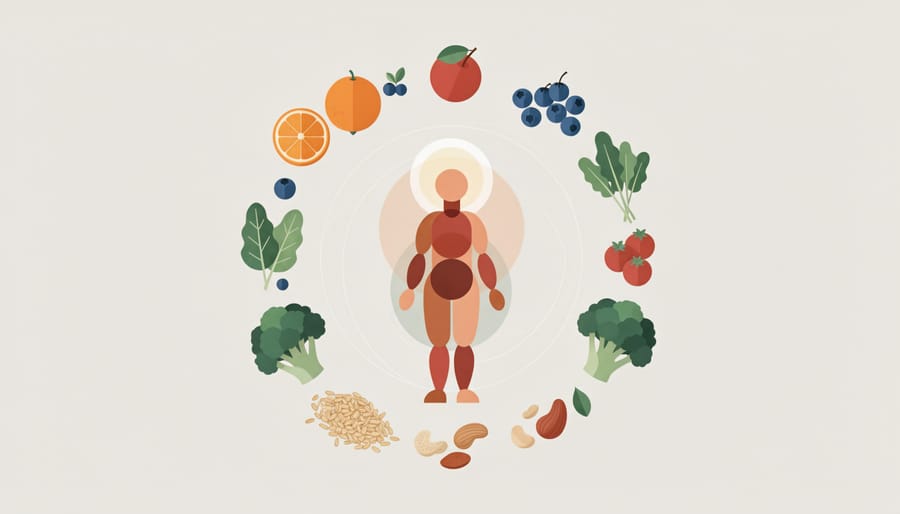
Your immune system is your body’s first line of defense, and what you eat directly influences how well it performs. A diet rich in vitamins, minerals, and antioxidants strengthens your body’s ability to fight off infections and bounce back faster when you do get sick. Think of it as building resilience from the inside out, so you can show up for the moments that matter without being derailed by every cold that goes around the office.
Vitamin C gets a lot of attention during cold season, but your immune system thrives on a full spectrum of nutrients. Zinc from nuts and seeds helps your body produce immune cells, while vitamin A from sweet potatoes and leafy greens supports the mucous membranes that act as barriers against germs. Antioxidants in berries and dark chocolate combat inflammation and cellular damage. When you eat a varied, nutrient-dense diet, you’re essentially giving your immune system the tools it needs to do its job well.
The payoff extends beyond avoiding the sniffles. A stronger immune system means you recover faster from workouts, handle stress better, and maintain steady energy even when life gets hectic. You can commit to weekend plans, travel without worry, and stay present at work or social events instead of calling in sick. There’s something deeply empowering about feeling like your body has your back, and that confidence comes from treating it well consistently.
You don’t need to overhaul your entire pantry overnight. Start by adding one more serving of vegetables to your daily routine, swapping sugary snacks for fruit and nuts, or trying a new whole grain. Small, sustainable changes stack up over time, building an immune foundation that keeps you feeling strong and ready for whatever your schedule throws at you.
Your Questions About Healthy Eating, Answered
Do I need to meal prep every week to eat healthy?
Not at all. Even prepping just two or three breakfasts or snacks can make a huge difference. Start small, batch-cook a grain or chop veggies on Sunday, and build from there as it fits your schedule.
Is healthy eating expensive?
It doesn’t have to be. Frozen vegetables, eggs, oats, beans, and seasonal produce are all nutrient-packed and budget-friendly. Planning meals around what’s on sale and buying in bulk when possible keeps costs down without sacrificing quality.
Can I still enjoy my favorite foods?
Absolutely. Healthy eating isn’t about restriction, it’s about balance. Enjoy treats when you want them, and let most of your meals be nutrient-rich. One slice of pizza won’t undo the benefits of eating well the rest of the week.
What if I don’t have time to cook?
Keep it simple. A smoothie, avocado toast, or rotisserie chicken with pre-washed greens takes minutes. You’re aiming for nourishment, not perfection, quick, real-food meals still count.
The key is finding what works for your life right now, not following someone else’s rules. Healthy eating looks different for everyone, and the best approach is one you can actually stick with. Focus on adding more whole foods where it feels easy, and let consistency matter more than perfection.
Eating well isn’t about rules or restrictions, it’s about choosing yourself every day. When you fuel your body with nutrients that boost your energy, make your skin glow, and keep your immune system strong, you’re investing in a life that feels as good as it looks. Start small, stay consistent, and watch how these three benefits transform not just how you feel, but how you show up in the world.