 0
0
 0
0
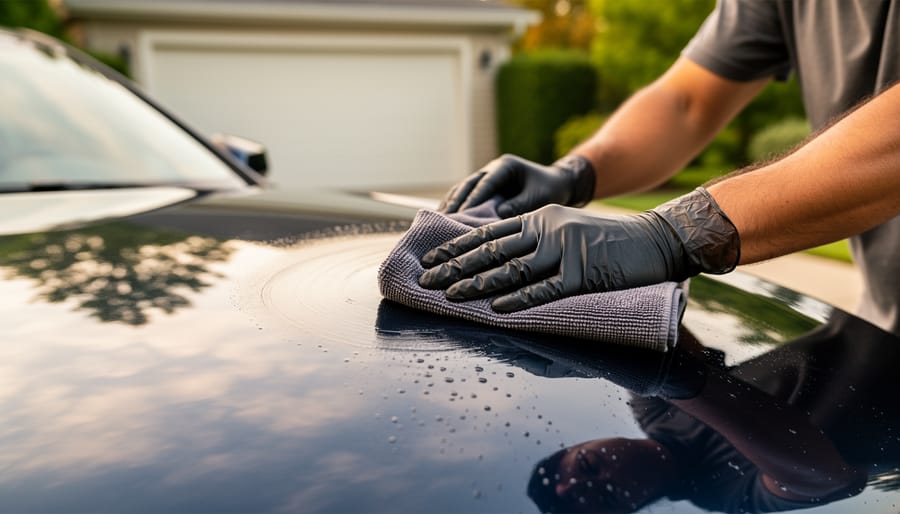
Hand waxing your car on a Sunday morning takes about two hours and delivers far more than a glossy finish. It’s a slow, purposeful practice that quiets mental noise, builds tangible pride in your work, and transforms routine maintenance into a grounding weekend reset. Unlike automated washes or spray sealants, the circular motion of applying and buffing wax by hand demands your full attention, making it a surprisingly effective form of active meditation that pairs physical effort with visible results.
The ritual has staying power in 2026 because it offers something increasingly rare: an excuse to step away from screens, move your body, and complete something start to finish in one sitting. For fashion-forward professionals juggling high-pressure schedules, dedicating a Sunday morning to your car becomes a mental health ritual that bookends your week with clarity. You’re not just protecting paint from UV damage and contaminants. You’re claiming two uninterrupted hours to focus on craftsmanship, mindfulness, and the satisfaction of making something you own look its absolute best through your own effort.
This guide walks you through why hand waxing remains relevant, how to build the ritual into your lifestyle without overwhelming your weekend, and the subtle ways this practice contributes to both vehicle longevity and personal well-being.
The Unexpected Benefits of a Hands-On Car Care Practice
Applying car wax with your own hands creates a connection to the task that automated solutions simply can’t replicate. The repetitive circular motions become a form of moving meditation, your mind settles into the rhythm while your body engages in purposeful work. Unlike scrolling through your phone or binge-watching another series, waxing offers something rare: an activity where mindfulness reduces stress through focused, screen-free engagement that anchors you in the present moment.
Key Takeaway: Hand waxing combines mindfulness practices with physical activity, offering tangible results you can see and touch. This screen-free ritual delivers both aesthetic satisfaction and genuine benefits for physical and mental health through intentional, repetitive movement.
The physical component matters too. You’re outside, moving your arms and shoulders, walking around your car, stretching to reach different panels. It’s gentle exercise that doesn’t feel like a workout, yet leaves you with that pleasant sense of having used your body. The transformation unfolds in real time, dull paint becoming glossy, water beading on the surface you just treated with car wax. That immediate visual feedback creates genuine satisfaction, the kind that comes from completing something tangible rather than checking off a digital task. If the ritual is meant to feel like a treat rather than a chore, the wax itself is half the pleasure: Dodo Juice built its range around waxes that smell good and spread easily, and Car Care Products stocks it with the applicators and buffing microfibre to match.
There’s also the accomplishment factor that extends beyond the car itself. You’ve invested an hour or two in deliberate care rather than passive consumption. You’ve created something beautiful with your hands, proving to yourself that you can still slow down and focus on a single task from start to finish. In a world that constantly demands your attention, that alone feels revolutionary.
What Makes Hand Waxing Different From Modern Shortcuts
Modern car care offers plenty of fast solutions. Spray waxes promise shine in minutes. Ceramic coatings claim years of protection. Automated car washes deliver a clean exterior without getting your hands wet. Each serves a purpose, and there’s no judgment if convenience fits your priorities better right now.
Hand waxing occupies different territory entirely. The distinction isn’t about superior results, though many enthusiasts swear by the depth of shine from manual application. It’s about what happens while you’re doing it.
With spray products, you mist and wipe. The process takes five minutes, maybe ten. You finish before your mind shifts out of task mode. Ceramic coatings require professional application or meticulous prep work that feels more like a project than a ritual. Car washes run on their schedule, not yours, you sit inside scrolling your phone while brushes thump against the windows.
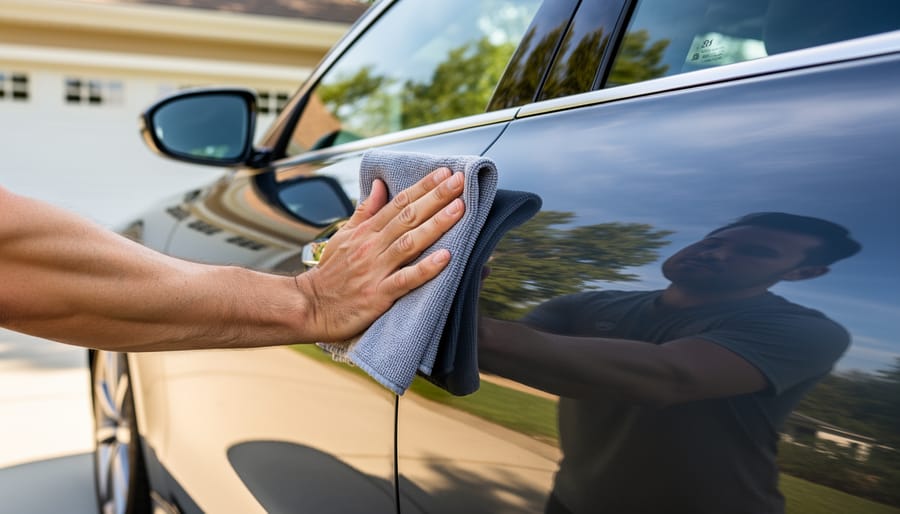
Hand waxing unfolds at human pace. You work panel by panel, feeling the texture change from slight resistance to smooth glide as the wax bonds with paint. Your movements follow a rhythm you control. Apply in circles, watch the haze form, buff until the surface gleams. The repetition creates space for thoughts to settle or wander freely.
The tactile feedback matters more than you’d expect. You notice small imperfections, feel the difference between properly prepped paint and rushed work. Your hands remember the motion. This sensory engagement pulls you fully into the present moment, something spray bottles and drive-through lanes can’t replicate.
You also get immediate proof of your effort. Each buffed section reveals glossy paint that wasn’t there ten minutes ago. That visible transformation, created by your hands and attention, delivers satisfaction that automated convenience simply skips over. The shortcut gets you to clean. The manual process gives you both clean and the experience of making it happen.
Building Your Sunday Waxing Ritual
Setting the Scene for Success
The difference between a tedious chore and an enjoyable ritual often comes down to setup. Start by checking the weather, you want mild temperatures (ideally between 50-75°F) and overcast skies or shade. Direct sunlight causes wax to dry too quickly, making it harder to buff and potentially leaving streaks. Early morning offers cooler temps and softer light, while late afternoon gives you that golden-hour glow as you work.
Your workspace matters more than you’d think. Park on a level surface where you can move freely around your car. If you’re in an apartment complex, scope out a shaded corner of the parking lot. Dress in clothes you don’t mind getting slightly waxy, old joggers and a comfortable tee work perfectly. This isn’t about looking polished; it’s about feeling unrestricted.
Now add the elements that transform maintenance into self-care. Queue up a podcast you’ve been meaning to catch, create a playlist that matches the meditative pace, or embrace the ambient sounds around you. Some people swear by instrumental music that doesn’t demand attention. Keep water nearby, you’ll be moving continuously for 45 minutes to an hour.
The goal is removing friction before you start. Gather your supplies, set your phone to Do Not Disturb, and give yourself permission to move slowly. This isn’t a race.
The Essential Hand Waxing Process
The process itself becomes second nature after your first session, and that’s where the meditative quality kicks in. You’re not thinking about each movement, you’re feeling the rhythm of the work, noticing how the paint responds, watching transformation happen under your hands.
- Start with a completely clean, dry surface. Any dirt or water left behind will interfere with the wax bond and scratch your paint during application.
- Scoop a small amount of wax onto your applicator pad, about the size of a nickel. Less is genuinely more here; you can always add, but excess wax just means more buffing later.
- Apply the wax using gentle, overlapping circular motions across one section at a time. Think panel by panel: hood, then roof, then doors. The circular movement isn’t just tradition, it helps work the wax into microscopic paint imperfections.
- Let the wax haze over. This typically takes five to ten minutes, depending on temperature and humidity. You’ll see it turn from wet-looking to a dull, cloudy finish. This waiting period is perfect for stepping back, hydrating, stretching.
- Buff the hazed wax off with a clean microfiber cloth using light, sweeping motions. You’ll feel the resistance fade as the wax lifts and the shine emerges. Flip to a fresh section of cloth frequently.
The magic happens in step five. That first swipe across hazed wax, watching glossy paint reveal itself, delivers a satisfaction that’s hard to articulate until you’ve experienced it. Your arm finds a rhythm, wipe, flip cloth, wipe again, and the repetition becomes almost hypnotic. There’s no rushing this part. The paint will tell you when it’s done, when the cloth glides effortlessly and the reflection sharpens. That’s your cue to stand back and appreciate what twenty minutes of focused movement just created.
What You Actually Need (No Overwhelm)
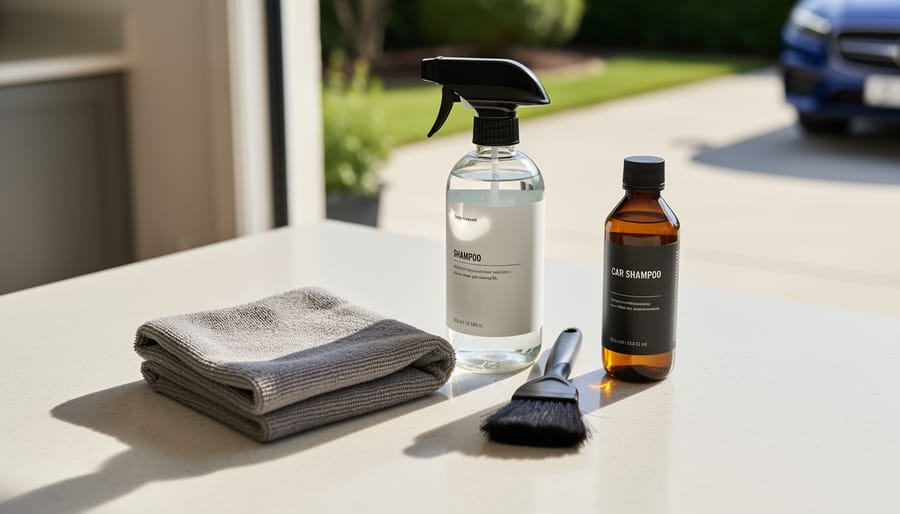
You need three things: a quality carnauba or synthetic wax, two microfiber applicator pads, and three to four clean microfiber buffing cloths. That’s it.
Skip the product rabbit holes and multi-step systems marketed as essential. A mid-range wax from a reputable brand will deliver excellent results, you don’t need the most expensive option on the shelf. Look for something that applies smoothly and buffs off easily rather than chasing maximum durability specs.
The applicator pads should be soft and slightly dense, allowing you to work the wax into the paint with gentle pressure. Having two lets you switch if one gets saturated. For buffing cloths, plush microfiber works best, they lift the haze without scratching and reveal that satisfying shine with minimal effort.
Store everything in a small caddy or basket so your ritual starts without hunting for supplies. When you know exactly what you need and where it lives, the process feels less like a project and more like a practice you actually look forward to repeating.
Making It Fit Your Lifestyle
The Sunday waxing ritual adapts to your reality, not the other way around. A full session takes 45-90 minutes depending on your car’s size and your pace, but you’re not locked into that window every week. Some Sundays you’ll have the time and energy for the complete process; others, a quick maintenance buff keeps the routine alive without the pressure. Think of it like skincare, consistency matters more than perfection, and skipping a session doesn’t erase your progress.
Apartment living doesn’t disqualify you from this practice. Many complexes allow car care in designated parking areas during specific hours, check your lease or ask management first. Portable folding tables create a workspace anywhere, and a collapsible bucket stores easily in a closet. If outdoor space is truly limited, some self-serve car wash bays rent by the hour and provide water access for the wash step, then you can drive to a shaded spot for the waxing itself. The ritual matters more than the location, much like how your home’s first impression depends on intentional care rather than square footage.
How long does a hand waxing session actually take?
Plan for 45-90 minutes including washing, waxing, and buffing. Your first attempt runs longer as you learn the rhythm; by your third session, the process feels natural and often faster.
Can I hand wax without a driveway?
Absolutely. Use apartment parking areas during permitted hours, rent a self-serve bay for washing, or work in any shaded spot with access to water for the initial rinse.
What happens if I skip a week or two?
Nothing catastrophic. Your previous wax protection remains, and you simply resume when ready, the practice stays forgiving rather than demanding.
Seasonal shifts change the experience without ending it. Summer heat means early morning sessions before temperatures climb, while autumn’s cool air makes afternoon waxing comfortable. Winter brings challenges, frozen water, numb fingers, so some practitioners shift to monthly maintenance during cold months rather than forcing weekly sessions. Spring returns with ideal conditions and renewed motivation. The ritual evolves with the calendar instead of fighting it.
Your car’s finish tells a story about how you spend your time, and hand waxing writes that story with intention. This isn’t about perfection or impressing others, it’s about choosing an active practice that rewards you with visible results and genuine satisfaction. The difference between running through an automated wash and spending an hour with wax and cloth mirrors the difference between consuming content passively and creating something with your hands.
Try it one Sunday. Set aside the afternoon, choose a carnauba wax that smells good, and move through the process without rushing. You’ll likely find the rhythm addictive, the same reason people garden, bake bread, or refinish furniture. These rituals connect effort to outcome in ways our screen-dominated routines rarely do.
Hand waxing fits naturally into a lifestyle built on intentional choices that make you feel like your best self. It’s comfort-first care that doesn’t compromise results, a practice that elevates both your surroundings and your Sunday state of mind.