 0
0
 0
0
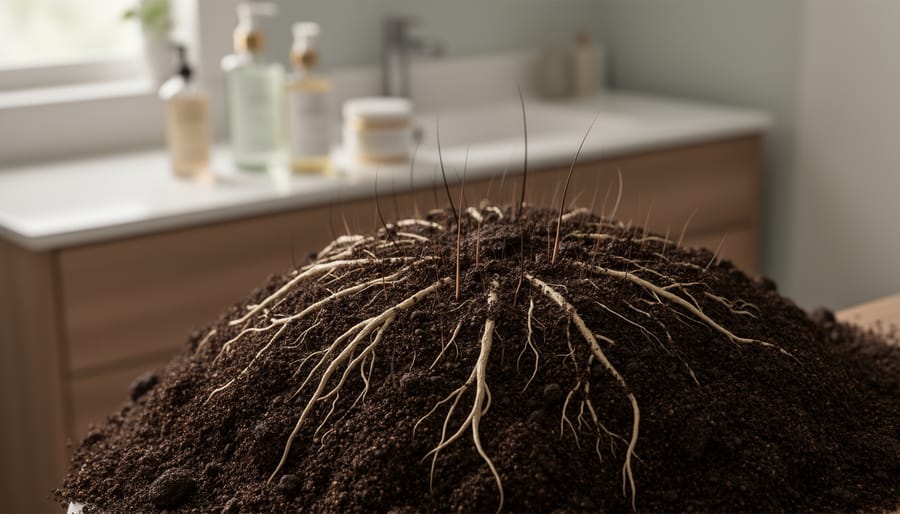
The missing step in your beauty routine isn’t another serum or a trending hair cuts technique. It’s scalp care, and neglecting it is why your hair might lack volume, feel greasy by midday, or refuse to cooperate no matter how many products you pile on. Your scalp is skin, the same way your face is skin, and it deserves the same level of attention: exfoliation, hydration, and protection from buildup and environmental stress.
Think about it. You wouldn’t skip cleansing your face or moisturizing before bed, yet most of us treat our scalps as an afterthought, assuming shampoo alone will handle the job. The truth is, product residue, dead skin cells, and excess oil accumulate at the roots, clogging follicles and creating the perfect environment for irritation and lackluster hair. A targeted scalp care routine clears that congestion, rebalances your scalp’s natural ecosystem, and sets the foundation for healthier, shinier hair that actually holds a style.
The good news? Adding scalp care to your regimen takes less than ten minutes and requires just a few simple tools. Once you see the difference in how your hair behaves, you’ll wonder why you waited this long to start.
Why Your Scalp Deserves the Same Attention as Your Skin
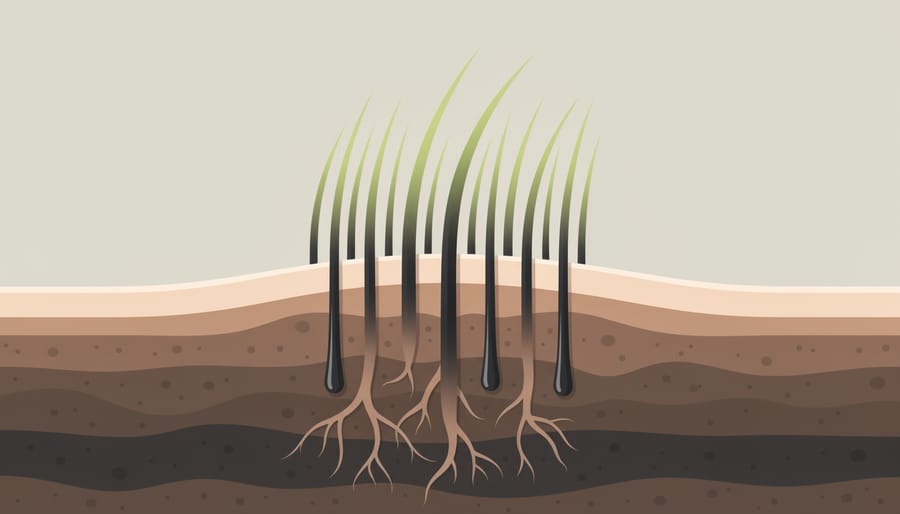
Your scalp isn’t just where your hair grows, it’s living skin, with the same complex needs as your face. It produces oil, sheds dead cells, and reacts to stress, pollution, and product buildup just like the skin you carefully cleanse and moisturize every night. Yet most beauty routines stop at the hairline, focusing entirely on the strands while ignoring the foundation they depend on.
This oversight has real consequences. A congested scalp can’t absorb the nutrients from your expensive hair masks or serums. Excess oil and buildup weigh down your roots, making styles fall flat by midday. Dryness and irritation lead to flaking and itching that no amount of conditioner will fix. When your scalp is struggling, your hair suffers, no matter how many products you pile on.
The good news? Scalp care doesn’t require a complete routine overhaul. Simple practices like regular massage and targeted treatments, similar to what you might experience at a head spa can reset your scalp environment in minutes. When your scalp is balanced, styling becomes easier, hair looks healthier from root to tip, and you spend less time fighting issues like greasiness or dryness. It’s the kind of comfort-first upgrade that makes daily maintenance feel effortless rather than exhausting.
What You’ll Need to Start Your Scalp Care Routine
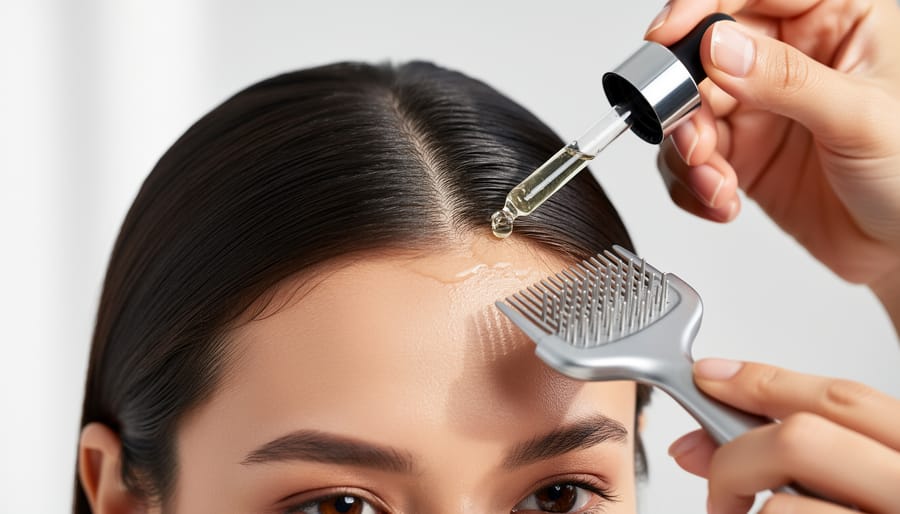
Good news: you don’t need a cabinet full of new products to start caring for your scalp. A few strategic additions to your existing routine will make all the difference, and most of these tools are affordable and easy to find. Think of this as building a starter kit that works with what you already own, not replacing everything.
Here’s what you’ll need to get started:
- Scalp brush or silicone massager: stimulates blood flow and loosens buildup without scratching
- Clarifying or exfoliating scalp treatment: removes dead skin cells, product residue, and excess oil
- Gentle, sulfate-free shampoo: cleanses the scalp without stripping natural moisture
- Scalp serum or lightweight oil: hydrates and soothes the scalp between washes
- Applicator bottle with a pointed tip (optional): helps apply treatments directly to the scalp without wasting product
The scalp brush is probably the most transformative tool here. It turns shampooing into a mini massage that increases circulation and makes sure you’re actually cleaning your scalp, not just your hair. Look for one with soft, flexible bristles or silicone nubs that won’t cause irritation.
For the exfoliating treatment, you can start with a gentle scrub once a week or a chemical exfoliant with salicylic acid if you’re prone to oiliness. The key is choosing something formulated specifically for the scalp, not your face. Facial scrubs can be too harsh and disrupt the scalp’s natural balance.
Your scalp serum or oil should feel light and absorb quickly. Heavier hair oils can work, but apply them sparingly and focus on the scalp itself rather than coating your entire head. The applicator bottle is a game-changer if you have thick or textured hair, making it easier to section and treat your scalp without making a mess.
Important Things to Know Before You Begin
Before you dive in, a few precautions will help you avoid irritation and get the best results. Scalp skin is surprisingly delicate, and treating it too aggressively can backfire.
Start by patch-testing any new product, especially exfoliants or serums, on a small area behind your ear or at your nape. Wait 24 hours to check for redness, itching, or burning. If your scalp already feels tender, shows active wounds, or you’re dealing with severe dandruff or a diagnosed condition like psoriasis or eczema, skip physical exfoliation entirely until you’ve spoken with a dermatologist. Scrubbing inflamed skin will only make things worse.
One common mistake is repurposing facial exfoliants for your scalp. Face scrubs often contain particles or acids formulated for thinner, more exposed skin, not the thicker, hair-covered scalp. Stick to products labeled for scalp use. Another oversight: treating your scalp like it doesn’t need moisture. Even oily scalps benefit from lightweight hydration after exfoliation, skipping a serum or oil can leave your skin tight and reactive.
If you notice persistent flaking, pain, or unusual changes after a few weeks of consistent care, consult a dermatologist. Your scalp might need targeted medical treatment, not just a new routine.
Step-by-Step: Building Your Scalp Care Routine
Step 1: Pre-Wash Scalp Massage and Exfoliation
Start with completely dry hair or lightly dampen it with a spray bottle if you prefer. Take your scalp brush or use the pads of your fingers (not your nails) and begin at your hairline, working in small circular motions across your entire scalp. Apply gentle but firm pressure, moving methodically from front to back and side to side. Spend three to five minutes on this massage to increase blood flow and dislodge product residue, dead skin cells, and excess oil that regular shampooing misses.
If you’re using an exfoliating scalp scrub, section your hair into parts and apply the treatment directly to your scalp, not your hair lengths. Work it in with the same circular massage technique, focusing on areas that tend to get oiliest or feel itchiest. The scrub’s texture helps physically lift away buildup while the massage boosts circulation, creating the ideal foundation for the cleansing step that follows. This pre-wash ritual takes minutes but makes your shampoo work exponentially better.
Step 2: Cleanse with Intention
Shift your focus from lathering your lengths to actually cleansing where it counts: your scalp. Choose a shampoo formulated for scalp health, not just hair strands. Look for gentle, sulfate-free options if you have sensitivity, or clarifying formulas if you deal with oil buildup. Apply a quarter-sized amount directly to your scalp in sections, not your hair. Use your fingertips (not nails) to massage the product in circular motions, working from front to back and ear to ear. Spend at least 60 seconds on this step. The lather will naturally cleanse your hair as you rinse, so there’s no need to scrub the ends. This technique removes buildup without stripping moisture, setting the stage for healthier growth and less greasy rebound between washes.
Step 3: Apply a Scalp Treatment or Serum
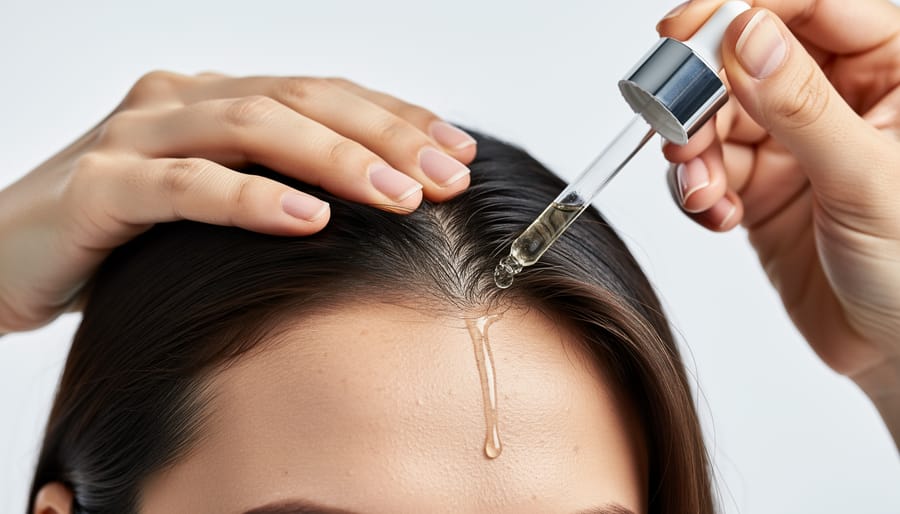
After cleansing, your scalp is primed to absorb treatment products that target specific concerns. Choose a serum, oil, or treatment based on what your scalp needs, hydrating formulas for dryness, balancing serums for oiliness, or soothing treatments for sensitivity.
Part your hair into four to six sections using your fingers or a comb, then apply the product directly to your scalp using a dropper or applicator nozzle. Work in rows, moving from your hairline to the crown and down to the nape. Use your fingertips to massage each section in gentle circular motions for about 30 seconds, ensuring the product spreads evenly and penetrates the scalp.
Most scalp serums are leave-in formulas designed for daily or every-other-day use, so you can style as usual after application. Heavier oils or intensive treatments may need rinsing after 10-20 minutes. Check the product instructions, but when in doubt, leave lightweight serums in and rinse out anything that feels too rich or causes buildup.
Step 4: Maintain Between Washes
Between deep cleanses, your scalp still needs attention, think of it like maintaining your skincare routine between weekly masks. Dry brushing your scalp for a minute or two each morning stimulates circulation and distributes natural oils without water. A lightweight scalp mist or toner can refresh your roots midweek, especially if you notice any tightness or itchiness creeping back.
Pay attention to product buildup, too. If you use dry shampoo, texture sprays, or styling products, keep them away from your scalp or use them sparingly at the roots. That chalky residue clogs follicles and undoes your hard work. When your scalp starts feeling congested, oily by day two, or itchy again, that’s your signal it’s time for another full routine. Listen to what your scalp is telling you, it’ll keep you on track without overthinking it.
How to Tell If Your Scalp Care Routine Is Working
You’ll know your scalp care routine is paying off when the little annoyances start to disappear. Within the first week or two, you might notice less itchiness and a cleaner feeling between washes. Your scalp should feel more balanced, not too oily, not tight or dry. If you’ve been dealing with flakes, they’ll begin to diminish noticeably by week three.
Hair texture often improves around the same time. Strands feel smoother, shinier, and more cooperative when styling. You might also find that your blowouts or curls hold longer because your scalp isn’t producing excess oil as quickly. Growth takes patience, but by the two-month mark, many people notice baby hairs along the hairline or a fuller overall appearance.
The clearest sign? Your hair just behaves better. Styles last an extra day, your roots stay fresher longer, and that “heavy” feeling at the crown lifts. If you’re not seeing these changes after a month, reassess your approach. You might be over-exfoliating (dial back to once a week), using products too heavy for your scalp type, or missing a step entirely.
Keep mental notes or snap progress photos every two weeks. Your scalp’s needs will shift with seasons, stress, and hormones, so what works now might need tweaking later. The goal isn’t perfection, it’s a scalp that feels comfortable and supports the hair you want.
Common Scalp Care Questions, Answered
Starting a scalp care routine raises practical questions, especially when you’re figuring out how to fit it into your existing habits without disrupting what already works. Here are the answers to the most common concerns that come up when people add this missing step to their beauty routine.
How often should I exfoliate my scalp?
Once a week is the sweet spot for most people. If your scalp is oily or you use a lot of styling products, twice a week works well, but daily exfoliation strips away natural oils and can cause irritation.
Does scalp care work for all hair types and textures?
Yes, everyone benefits from scalp care, though the approach varies. Curly and coily hair types may prefer gentler exfoliation and more moisturizing treatments, while straight or fine hair often needs more frequent clarifying to prevent buildup at the roots.
How do I adapt scalp care for color-treated hair?
Stick to sulfate-free clarifying products and avoid harsh physical scrubs that can strip color. Use exfoliating treatments before you shampoo, and always follow with a nourishing scalp serum to protect both your color and scalp health.
What if I have a sensitive scalp?
Start with chemical exfoliants like salicylic acid or fruit enzymes instead of physical scrubs, use them less frequently (every 10-14 days), and always patch-test new products behind your ear first. Skip exfoliation entirely if you have active irritation or broken skin.
The beauty of scalp care is that it’s flexible. You don’t need to overhaul your entire routine or invest in a dozen new products. Start with one or two adjustments based on your specific needs, see how your scalp responds, and build from there. Most people notice a difference within the first few washes, which makes it easy to stay motivated and refine your approach as you go.
Your beauty routine was never broken, it was just incomplete. Scalp care is the foundation you didn’t know you were missing, and adding it doesn’t mean overhauling everything you already do. Start with one or two steps that feel manageable, whether that’s a weekly scalp massage or swapping in a clarifying treatment. Consistency matters more than perfection.
A healthier scalp means hair that styles easier, holds better, and actually looks the way you want it to. It’s the kind of self-care that fits seamlessly into your life without demanding extra time you don’t have. You’re not chasing an impossible standard, you’re simply giving your scalp the same attention you’ve always given your skin. That’s the shift that makes everything else work better.